Sale
Cold chain
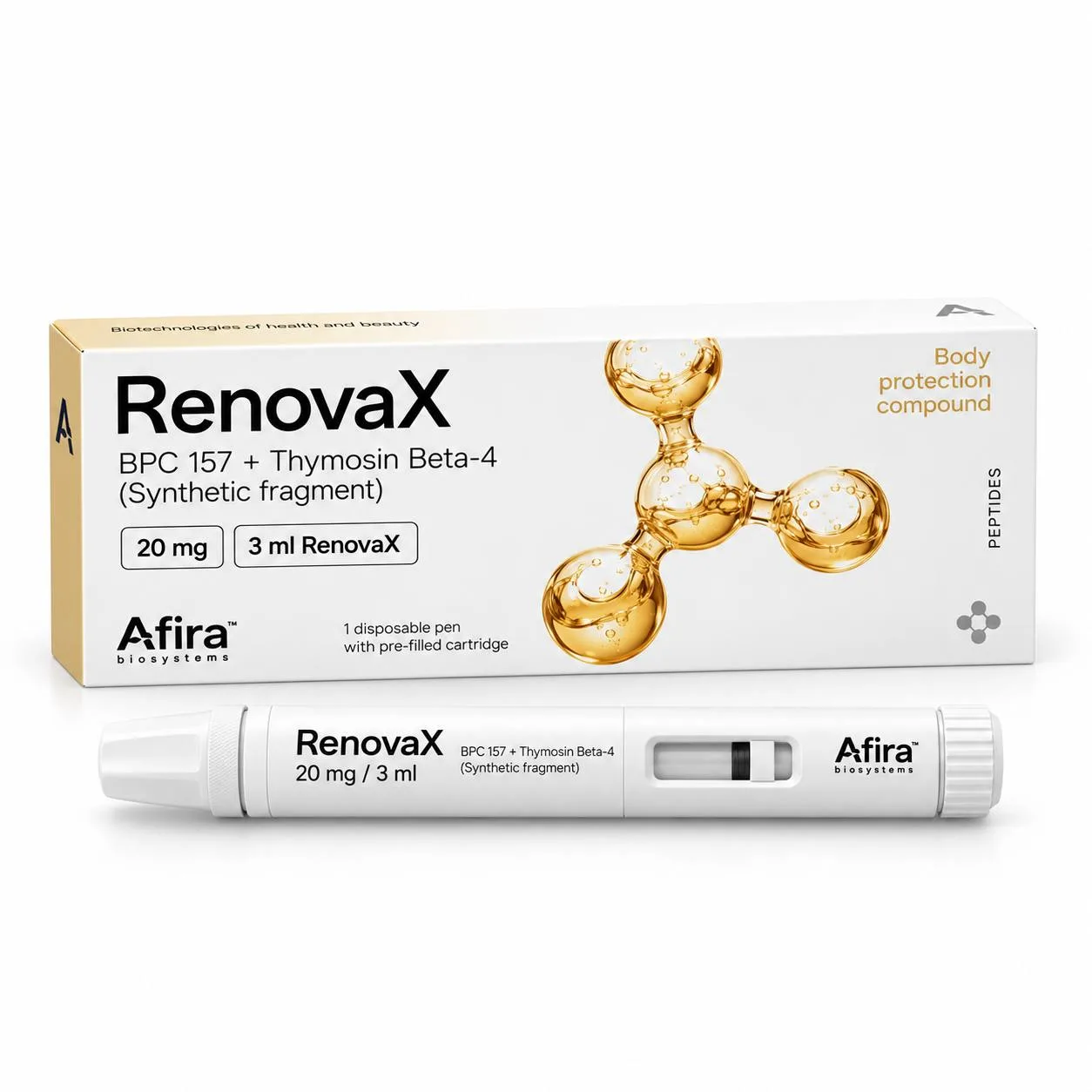
RenovaX Afira 20 mg - BPC-157 + Thymosin Beta-4 for recovery6,557 UAH
RenovaX - complex BPC-157 + Thymosin Beta-4 (synthetic fragment), which is observed in the context of renewal of tissues, muscles, tendons and support
5,801 UAH
Orders are processed and handed over for delivery within 1–2 business days after confirmation by a manager. We deliver throughout Ukraine with Nova Poshta to a branch, parcel locker, or by courier to your address. Delivery cost is calculated at the carrier’s rates upon receipt.
Payment: Pay on delivery · Card transfer · Bank transfer · Crypto wallet · PayPal
It is considered a stable fragment of a larger peptide known as Body Protection Compound. BPC-157 has drawn considerable attention in scientific research thanks to its potential anti-inflammatory and regenerative properties. Earlier research showed it may help heal various injuries, including damage to joints, muscles, nerves and even gastrointestinal ulcers. It also has potential in the treatment of inflammatory bowel disease.
BPC-157, or Body Protection Compound-157, comes from a naturally occurring protein, the body protection compound (BPC), found in the human digestive tract. The main function of BPC is protecting the mucous membrane of the gastrointestinal tract, helping healing and stimulating the growth of blood vessels. The synthetic version, BPC-157, is a pentadecapeptide made of 15 amino acids, extracted from the larger BPC protein. Remarkably, it keeps many of the healing properties seen in its parent molecule. BPC-157 has a favourable effect in the following areas in particular:
Wound healing
Help with the growth of blood vessels
Effect on the blood clotting cascade
Generation of nitric oxide
Better function of the immune system
Modulation of gene expression
Regulation of hormones, especially in the gastrointestinal nervous system.
BPC-157 was first isolated precisely from the gastroprotective protein of gastric juice, so its link to the digestive tract is key.
Faster healing of the mucosa
The peptide stimulates angiogenesis (the growth of new vessels) and improves the blood supply of the stomach mucosa.
It strengthens the expression of growth factors (VEGF, TGF-β), which speeds up the regeneration of damaged tissue.
Protection from aggressive factors
Raises the resistance of the mucosa to hydrochloric acid and pepsin.
Stimulates the production of protective mucus and prostaglandins.
Anti-inflammatory effect
Lowers the activity of pro-inflammatory cytokines (TNF-α, IL-6).
Reduces swelling and neutrophilic inflammation in the area of an ulcer or gastritis.
Effect on the microflora
Indirectly supports the balance of the gastrointestinal environment, improving the conditions for the growth of "friendly" bacteria.
Normalisation of digestive tract function
Prevention of gastritis and gastric ulcer disease
Faster healing of defects in the stomach mucosa
Polyps in the stomach
Anacid gastritis, for the prevention of stomach cancer
Faster elimination of Helicobacter Pylori
Heartburn, belching, heaviness in the stomach and other digestive disturbances
The natural role of BPC in the gastrointestinal tract is protecting the integrity of the mucous membrane, shielding the underlying tissue from the harmful effect of gastric acid, bile and other digestive compounds needed to absorb nutrients from food. An important part of this function is the recruitment of fibroblasts. BPC-157 has a dose-dependent effect on the behaviour of fibroblasts both in culture and in vivo, leading to increased proliferation and migration of these cells. Fibroblasts play an important role in healing, since they are responsible for depositing important extracellular matrix proteins such as collagen, fibrin, elastin and others.
BPC-157 is a powerful angiogenic factor, known for its ability to markedly speed up the proliferation and growth of endothelial cells, which line the blood vessels. Research in rats showed the peptide noticeably speeds up the growth of collateral blood vessels in areas of ischaemia. Although this effect was mostly seen in the gastrointestinal tract, there is growing evidence that similar benefits appear in cardiovascular, neurological and muscle tissue. This suggests BPC-157 may hold promise both in the therapy of stroke and myocardial infarction and as a research peptide for studying the mechanisms of healing after ischaemic injury. In addition, studies in chicken embryos show that the stimulation of vessel growth by BPC-157 is achieved partly through the stimulation of VEGFR2, a cell surface receptor that plays an active role in the nitric oxide signalling pathway. VEGFR2 is considered important for the growth, proliferation and longevity of endothelial cells. Cell culture studies have successfully shown that the introduction of BPC-157 leads to the phenomenon of "vessel running". "Vessel running" refers to the growth of blood vessels towards a damaged or blocked area to restore blood flow to the surrounding tissue, preserving the function of the cells. This unique ability of BPC-157 opens potential for developing an effective oral treatment for the slowly developing arterial occlusions usually seen in conditions such as atherosclerotic heart disease. In the future this field of research could potentially reduce the need for invasive surgery such as stenting and coronary artery bypass grafting.
Research in rats showed BPC-157 has the ability to neutralise certain markers of oxidative stress, such as nitric oxide and malondialdehyde (MDA). This remarkable property makes BPC-157 a powerful antioxidant, further supported by research showing its ability to reduce the production of reactive oxygen species in the gastrointestinal tract. In addition, studies on the delivery of BPC-157 in the gastrointestinal tract using modified Lactococcus lactis bacteria showed a considerable increase in the level of the peptide in cell culture.
Colony collapse disorder (CCD) refers to a syndrome in which entire honeybee colonies go into rapid decline and are then wiped out. The exact causes of this condition remain partly undetermined, but one contributing factor is an infection in the gut of honeybees caused by the fungus Nosema ceranae. Interestingly, researchers found that adding BPC-157 to the food of honeybees reduces the damage caused by the fungus in the bees' gut, leading to higher hive survival. These trials were carried out in natural field conditions, a significant milestone as the first effective oral treatment to soften the impact of CCD on a critically important pollinator responsible for pollinating most food crops.
1 dose (2 sprays) in the morning on an empty stomach + 1 dose (2 sprays) before sleep.
*All results are individual and depend on your state of health
| Active ingredient | BPC-157 |
|---|---|
| Product form | Nasal spray |
| Dosage | 10 mg |
| Volume | 10 ml |
| Route of administration | Intranasal |
| Requires reconstitution | No |
RenovaX - complex BPC-157 + Thymosin Beta-4 (synthetic fragment), which is observed in the context of renewal of tissues, muscles, tendons and support
5,801 UAH
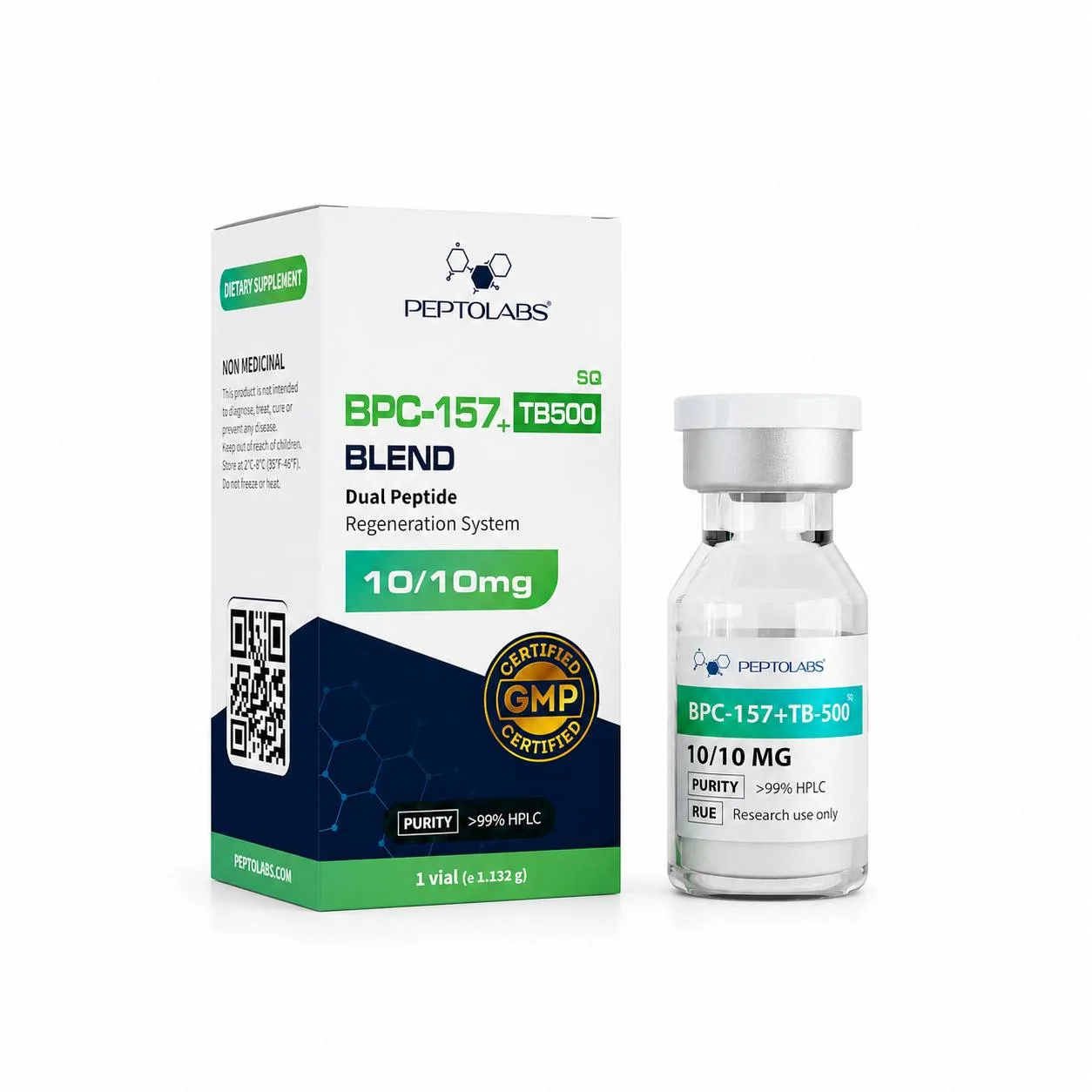
The combination of BPC-157 and TB500 acts synergistically, enhancing tissue healing and repair and providing a broader, faster regeneration process.
5,000 UAH
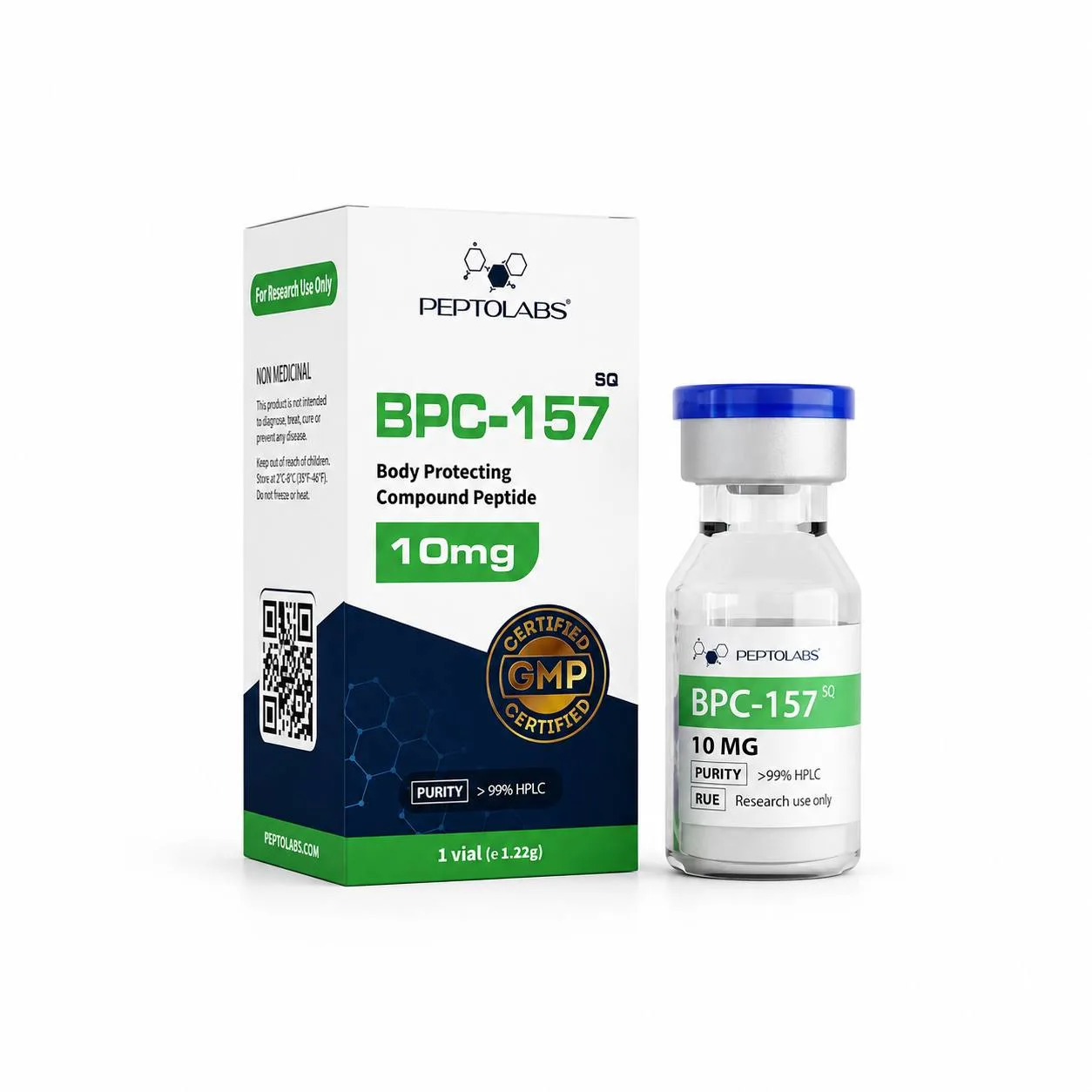
BPC-157 is an innovative peptide that has attracted attention for its notable ability to support the body's natural recovery processes.
4,100 UAH
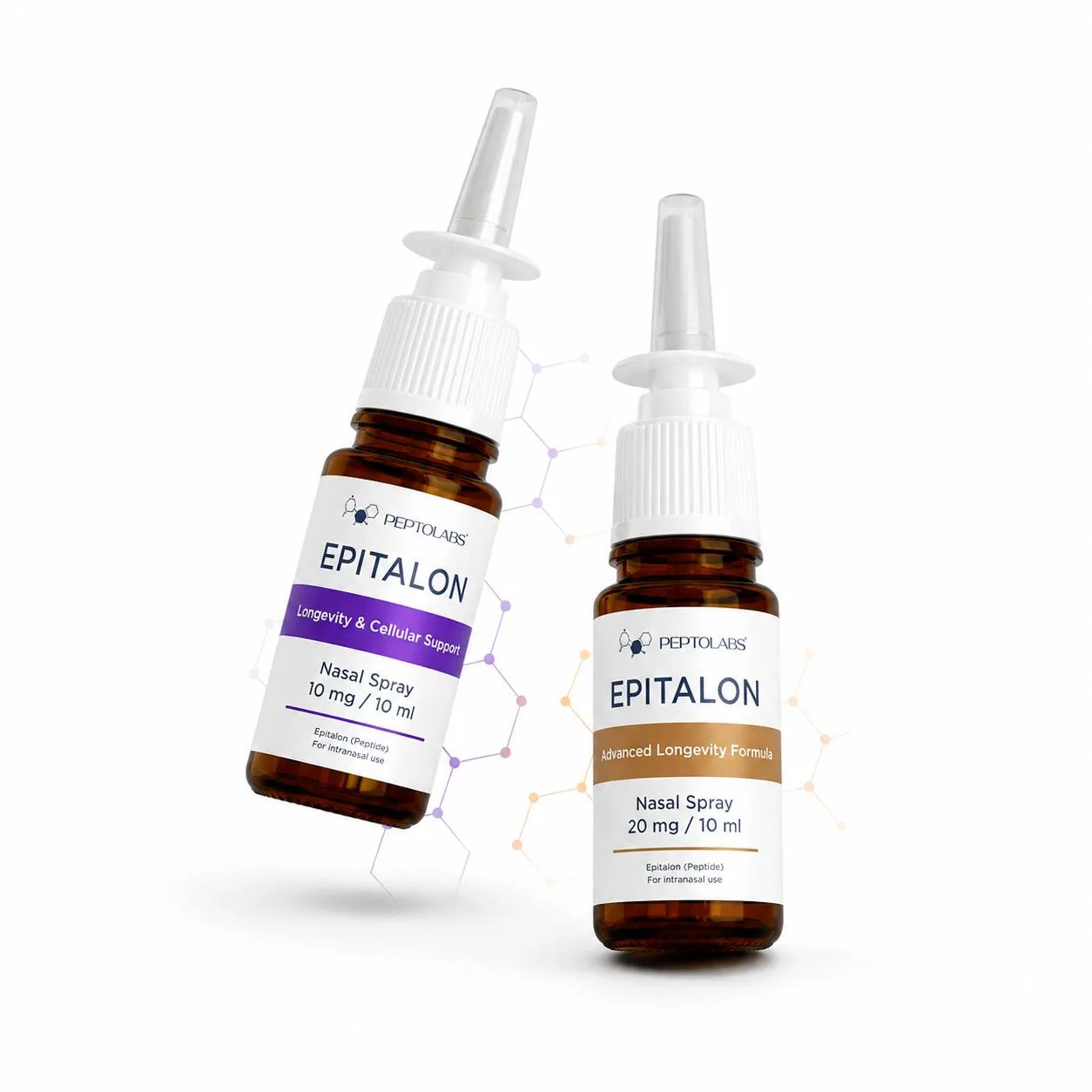
Epitalon spray (EPITALON) AEDG — for rejuvenation and better sleep quality, USA
3,400 UAH
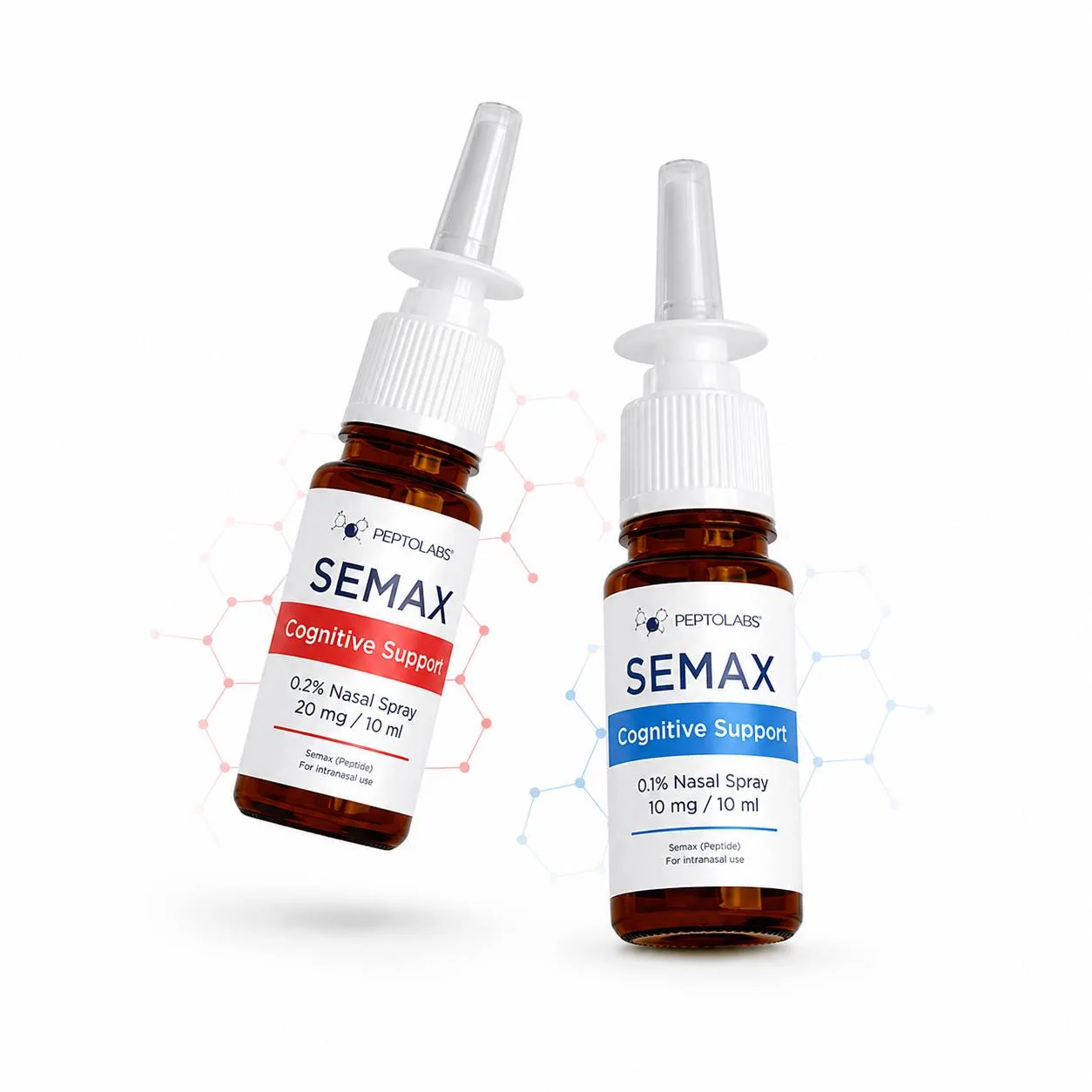
Nootropics Booster Semax is an innovative nootropic peptide based on a fragment of adrenocorticotropic hormone (ACTH 4–10).
2,800 UAH
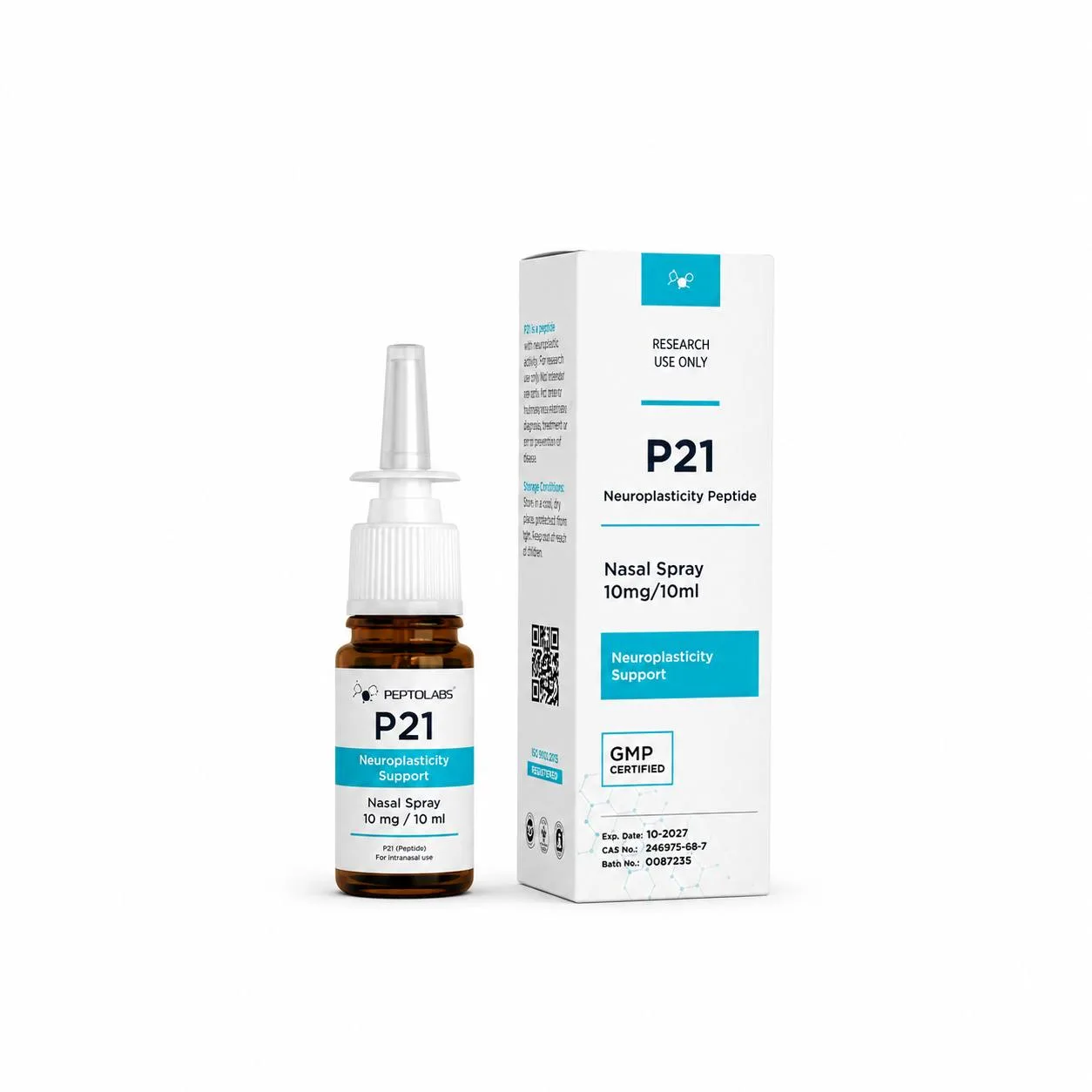
P21 Spray is a nasal peptide spray positioned as a means of supporting cognitive function: attention, memory, concentration and resilience to stress.
5,600 UAH
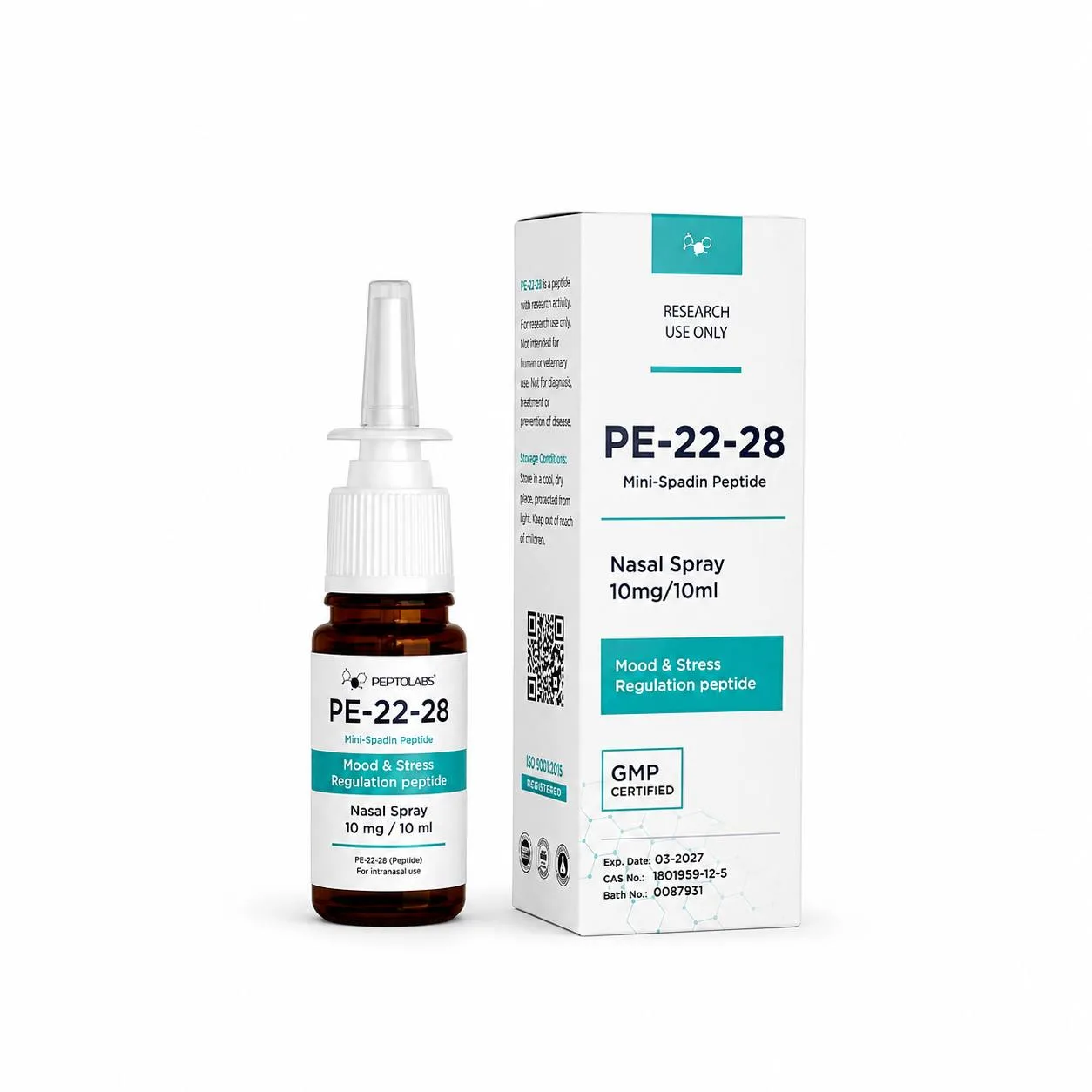
PE 22-28 is a short neuropeptide with a pronounced antidepressant and neuroprotective action.
3,600 UAH
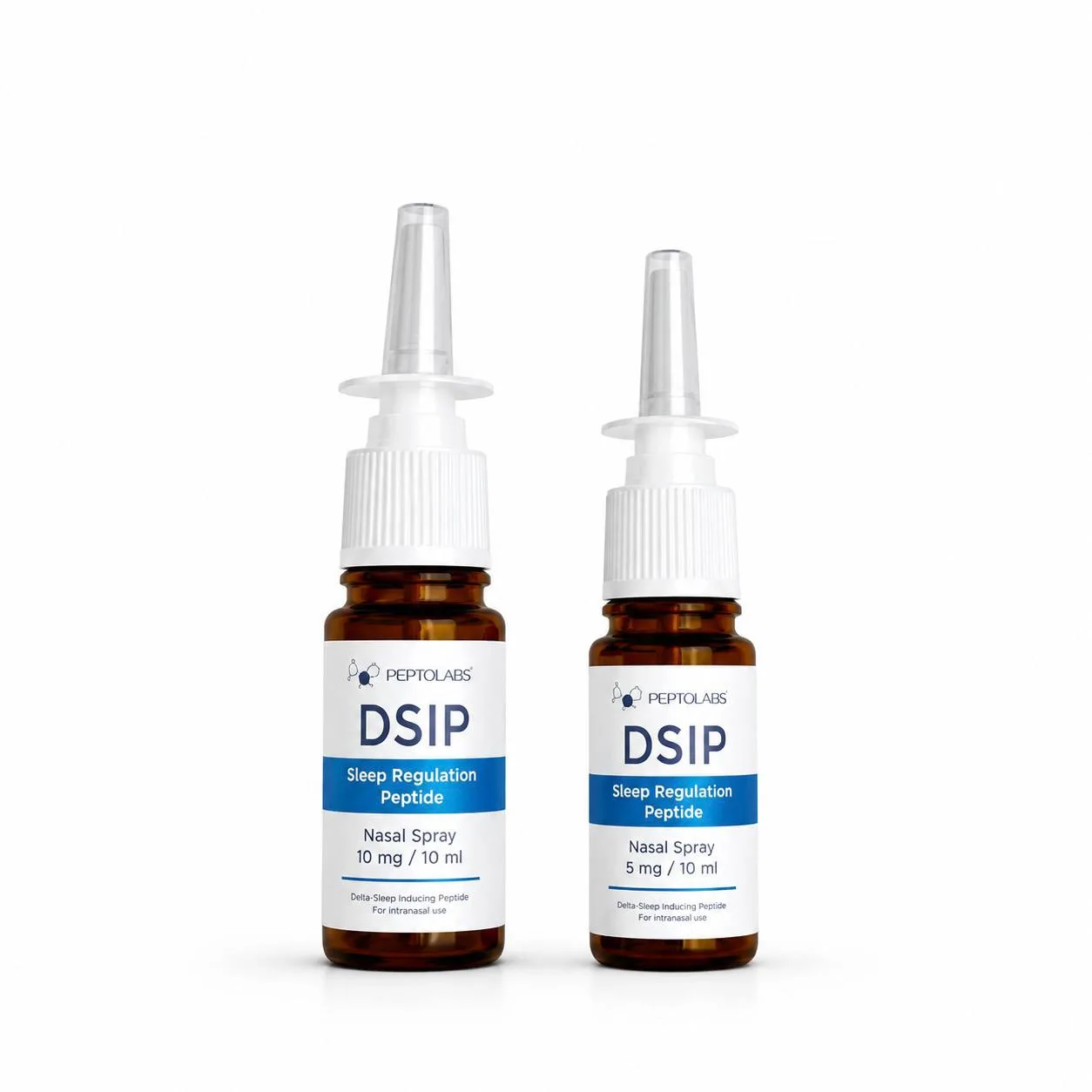
The delta sleep peptide, the main active component of PeptoLabs DSIP, is a natural neuromodulatory peptide produced in the body with broad pharmacological activity.
3,000 UAH
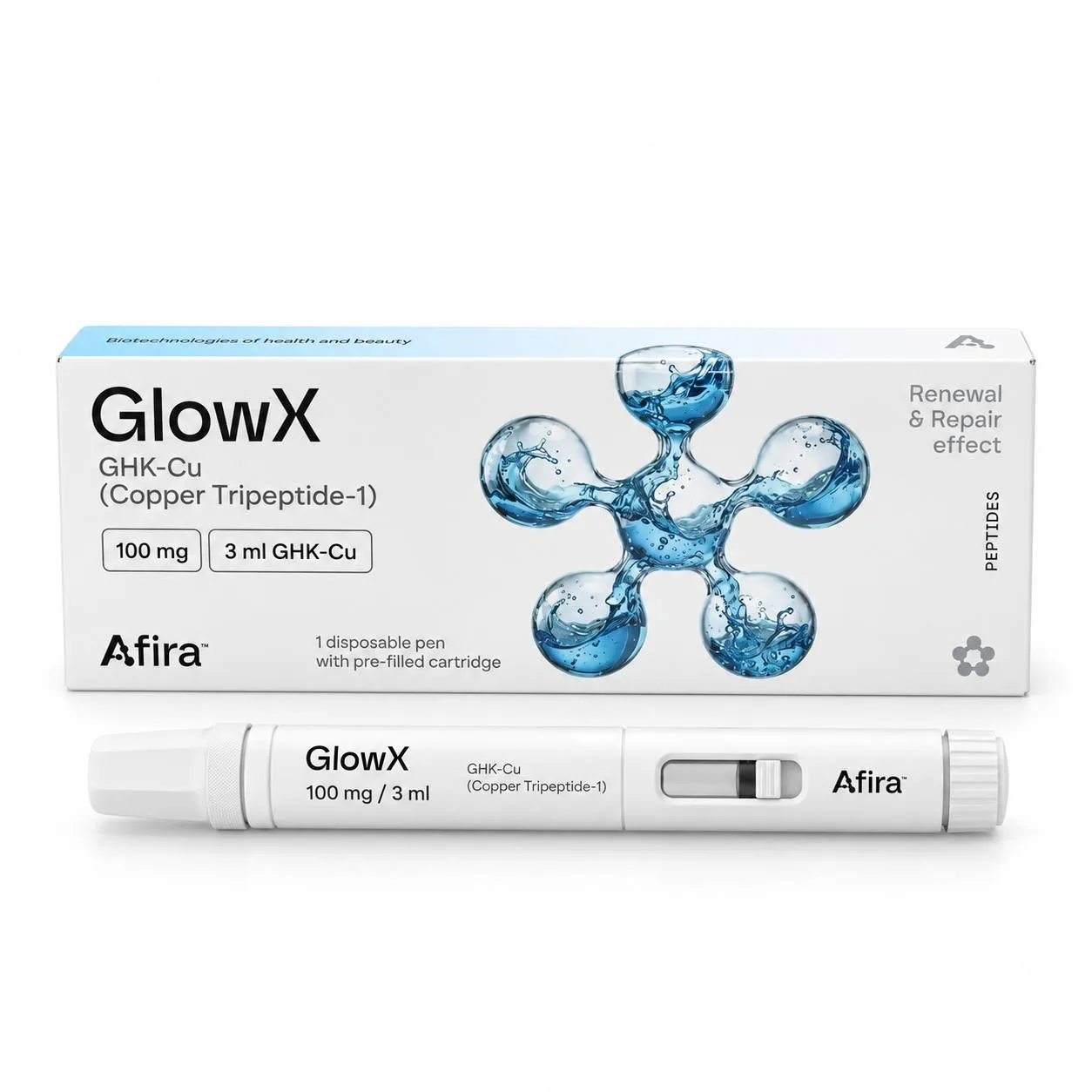
GHK-Cu GlowX 100 mg / 3 ml - copper peptide for skin, hair, collagen and repair. Copper Tripeptide-1 Afira.
4,287 UAH
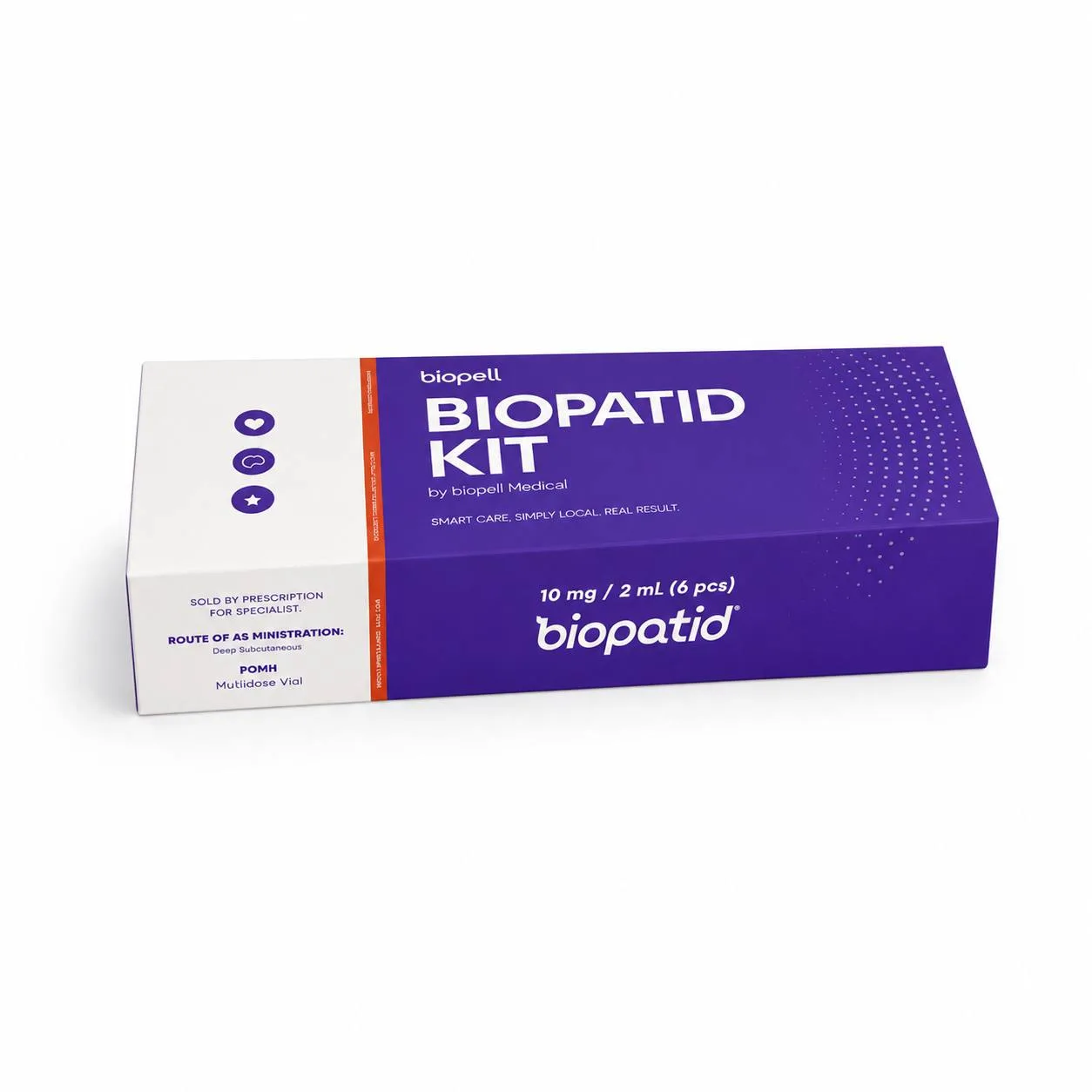
Biopatid KIT, active ingredient Tirzepatide
31,086 UAH
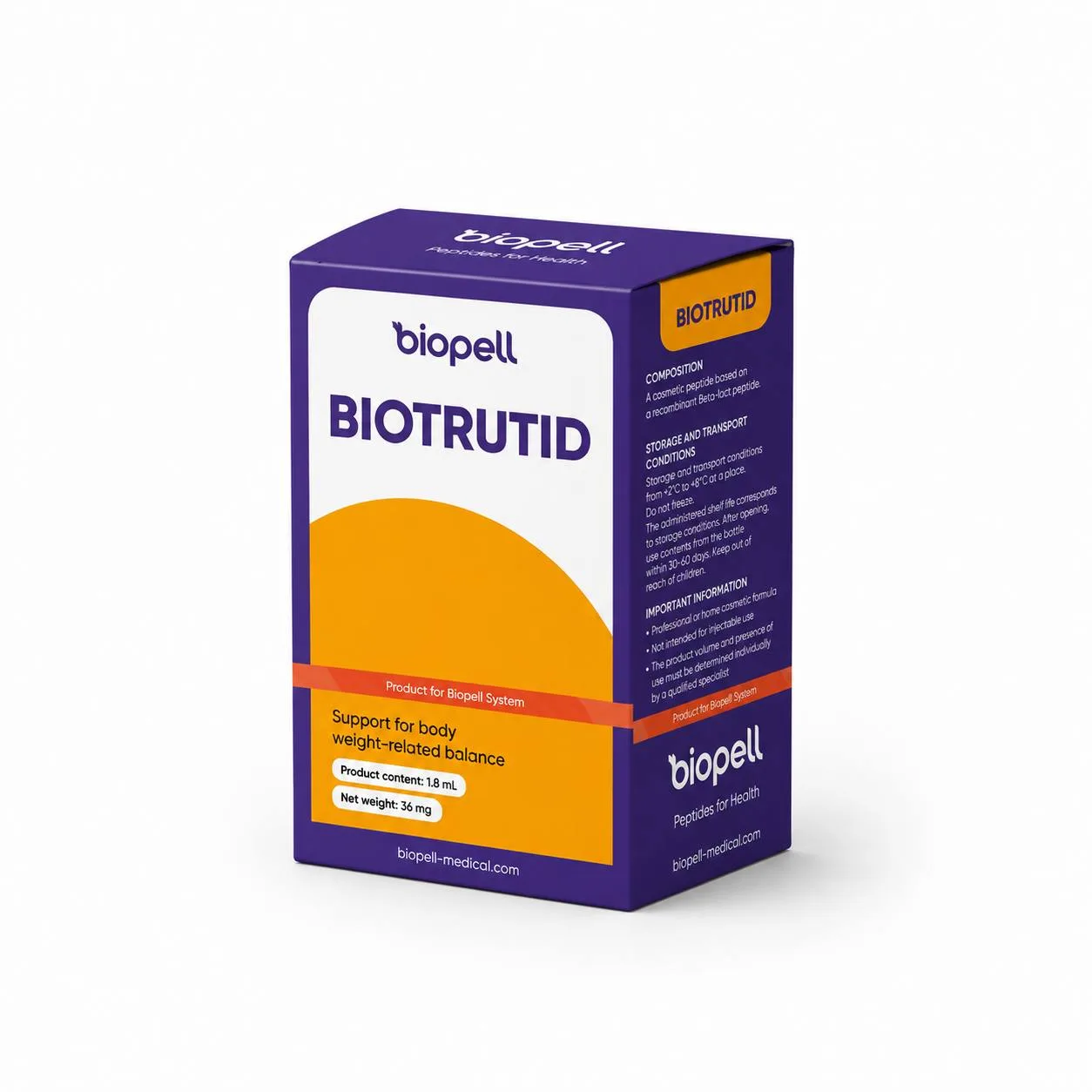
Biotrutid BioPell is an innovative medication with a triple mechanism of action for weight reduction, appetite control, and improved metabolism.
32,437 UAH
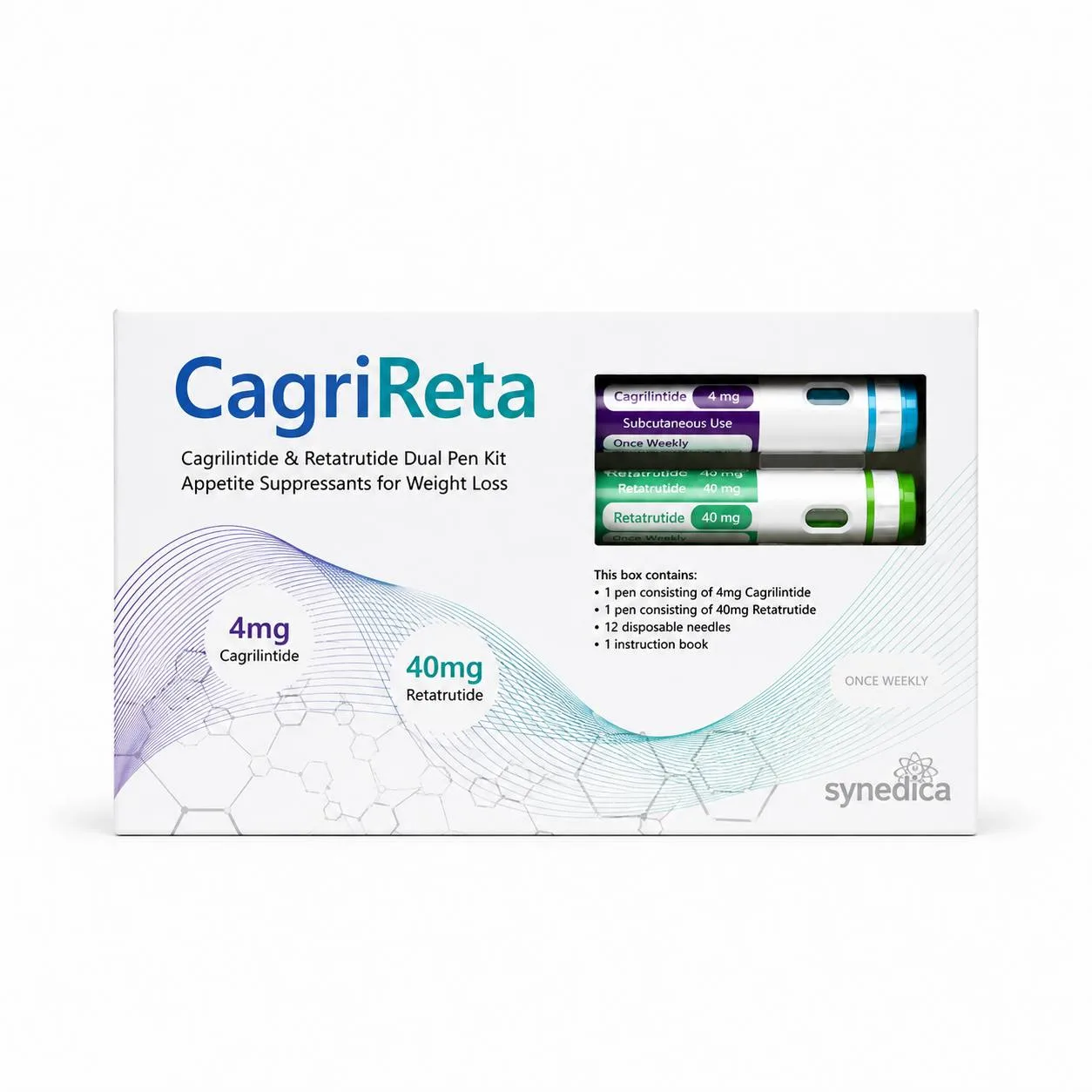
Cagri Reta Synedica — Cagrilintide 4 mg + Retatrutide 40 mg. Appetite, weight and metabolism control study.
15,635 UAH