Out of Stock
Cold chain
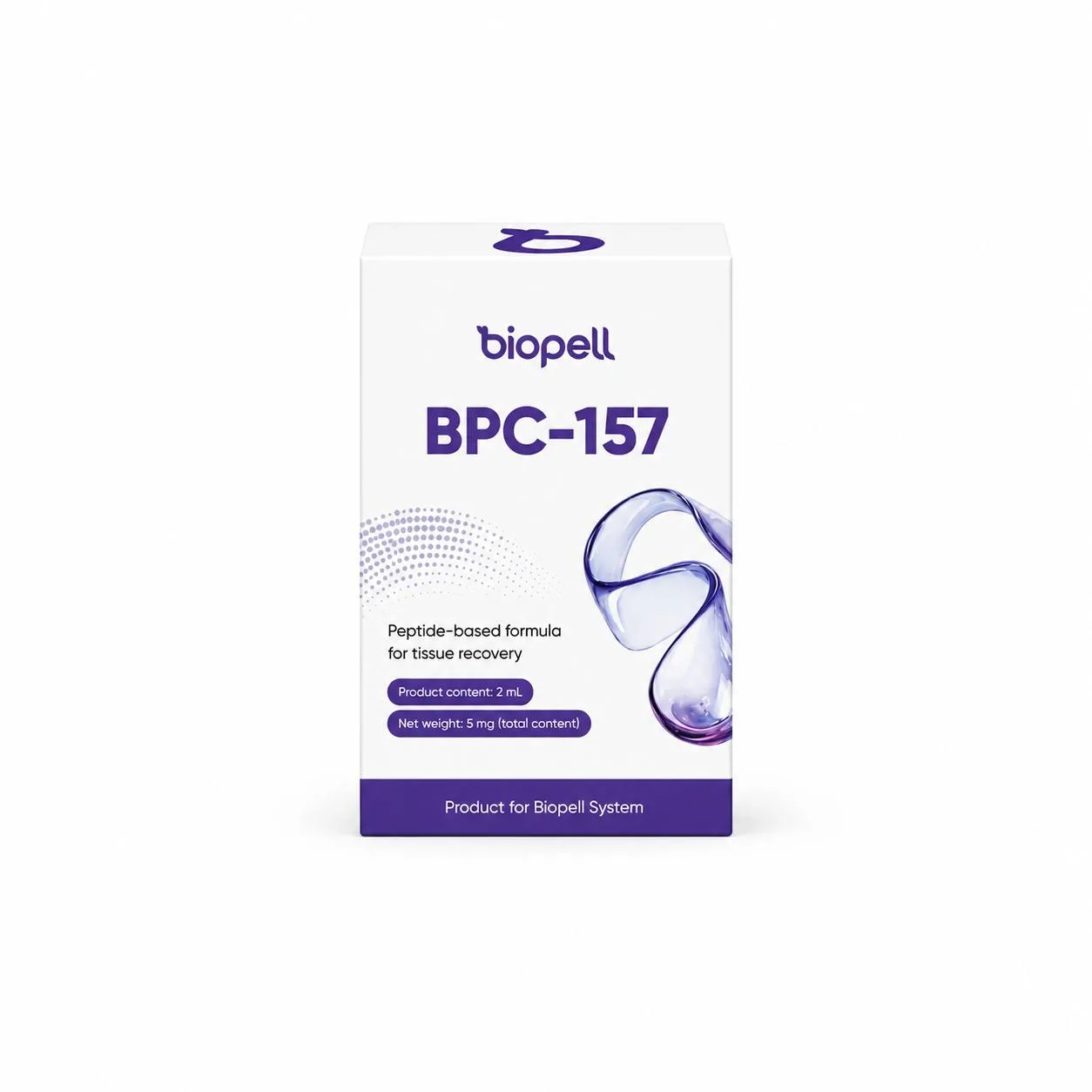
BPC-157 Biopell — a modern peptide for body recovery and gut support
BPC-157 is a modern synthetic peptide based on protective protein fragments tied to the body's natural recovery processes.
5,407 UAH
Orders are processed and handed over for delivery within 1–2 business days after confirmation by a manager. We deliver throughout Ukraine with Nova Poshta to a branch, parcel locker, or by courier to your address. Delivery cost is calculated at the carrier’s rates upon receipt.
Payment: Pay on delivery · Card transfer · Bank transfer · Crypto wallet · PayPal
BPC-157 (Body Protection Compound 157) is a peptide composed of 15 amino acids, developed from a protein fragment found in the human body. Its compact structure and clearly defined sequence make it easy to analyze and track in various contexts related to the body's physiological responses.
One reason BPC-157 is of interest is its stability. Unlike many other peptides, it retains its structure under various conditions, allowing for more consistent observations of its interaction with biological systems. This places it among the most frequently discussed peptides in relation to adaptation processes and the maintenance of tissue balance.
BPC-157 is often discussed in the context of how the body adapts to physical exertion and external factors.
Below is a brief description of the main characteristics of BPC-157, providing a clear overview of its parameters.
These characteristics provide good stability and predictability when working with the peptide. The lyophilized form helps preserve its quality over time, while the high degree of purity allows for more accurate and consistent observations.
The mechanism of action of BPC-157 is associated with its involvement in several interdependent processes in the body. Rather than affecting a single isolated pathway, the peptide is involved in a broader range of interactions at the cellular and tissue levels.
Stimulation of angiogenesis: this is the process of forming new blood vessels from existing ones. BPC-157 activates specific signaling pathways, such as VEGFR2, that promote the development of the vascular network. Improved vascularization means that affected tissue, whether muscle, tendon, or mucous membrane, receives more oxygen and nutrients, which is a fundamental requirement for healing.
Modulation of growth factors: The peptide increases the expression of growth factor receptors, such as EGR-1, which signal cells to divide and migrate to the site of injury. This is especially important for fibroblasts, the cells that produce collagen.
Interaction with nitric oxide (NO): BPC-157 helps regulate nitric oxide levels in the body. This leads to improved circulation and a protective effect on blood vessels and organs, and also helps balance blood pressure in this area.
Effect on collagen organization: Instead of simply stimulating random collagen formation, which can lead to scarring, BPC-157 helps organize collagen fibers properly, making the repaired tissue stronger and more elastic.
BPC-157 is considered a peptide focused on local recovery processes and maintaining tissue integrity. Unlike TB-500 , which is associated with a broader range of action, BPC-157 is more often discussed in the context of use in specific tissues.
Unlike ipamorelin , which is associated with hormonal processes, BPC-157 is not related to hormonal regulation. GHK-Cu, in turn, is more commonly used in the context of dermatology and aesthetic medicine, while BPC-157 is analyzed in relation to the musculoskeletal system and internal tissues.
Despite the popularity of local administration, studies show that BPC-157 has a systemic effect. This means that it travels through the bloodstream and reaches areas where regeneration is needed, regardless of the administration site.
Most researchers recommend cyclical use. Despite the lack of proven toxicity, the body responds best when periodic breaks of 2-4 weeks are taken after each 3-month cycle.
No, BPC-157 is not a hormone and does not affect the production of testosterone, estrogen, or cortisol. Its action is exclusively structural and regenerative at the cellular level.
For research purposes, BPC-157 is often tested as part of combined protocols. Such combinations are usually selected based on the research objective and the specific results being studied.
Use:
Scientific standards require a precise approach to establishing quantitative parameters to ensure objective results. In practice, the following approximate regimens are most common:
More moderate approach: 250-300 mcg once daily, used as a basic regimen for more general observations of tissue processes.
Most common approach: 250 mcg twice daily, in the morning and evening, or 500 mcg per day in total. This regimen is often mentioned in the context of recovery after physical exertion.
Duration: Cycles most often last from 4 to 12 weeks, with a planned break between them.
Bacteriostatic water is usually used to reconstitute the peptide. It is recommended to apply the liquid carefully to the wall of the vial rather than directly onto the powder to preserve the peptide's structure.
According to available observations, BPC-157 is generally described as a well-tolerated peptide. Scientific publications have not reported serious or systemic adverse reactions when it is used under controlled conditions.
In rare cases, mild and short-term reactions have been observed, which are usually brief:
Minor local discomfort.
Temporary sensitivity in the area of application.
Short-term irritation.
An individual response related to the body's characteristics.
From a safety perspective, product quality and proper handling are of primary importance. Appropriate storage conditions, the use of a high-purity peptide, and careful handling help preserve its properties and predictable behavior. These factors are an important part of good practice when working with BPC-157 or other peptides.
*All results are individual and depend on your health status
| Active ingredient | BPC-157 |
|---|---|
| Product form | Powder in a vial |
| Dosage | 10 mg |
| Route of administration | Subcutaneous injection |
| Requires reconstitution | Yes |
BPC-157 (Body Protection Compound 157) - це пептид, що складається з 15 амінокислот, розроблений на основі фрагмента білка, що зустрічається в організмі людини. Його компактна структура та чітко визначена послідовність дозволяють легко аналізувати та відстежувати його у різних контекстах, пов'язаних з фізіологічними реакціями організму. Одна з причин, через яку BPC-157 становить інтерес, - це його стабільність. На відміну від багатьох інших пептидів, він зберігає свою структуру в різних умовах, що дозволяє проводити послідовніші спостереження за його взаємодією з біологічними системами. Це ставить його до найчастіше обговорюваних пептидів, коли йдеться про процеси адаптації та підтримки тканинного балансу.
Незважаючи на популярність місцевого застосування, дослідження показують, що BPC-157 має системну дію. Це означає, що він поширюється кровотоком і досягає місць, де необхідна регенерація, незалежно від місця введення.
Більшість дослідників рекомендують циклічне застосування. Незважаючи на відсутність доведеної токсичності, організм найкраще реагує на препарат під час періодичних перерв у 2-4 тижні після кожного 3-місячного циклу.
Ні, BPC-157 не є гормоном і не впливає на вироблення тестостерону, естрогену чи кортизолу. Його дія має виключно структурний і регенеративний характер на клітинному рівні.
У дослідних цілях BPC-157 часто тестується у складі комбінованих протоколів. Такі комбінації зазвичай вибираються з мети дослідження та орієнтації на конкретні результати.
BPC-157 is a modern synthetic peptide based on protective protein fragments tied to the body's natural recovery processes.
5,407 UAH
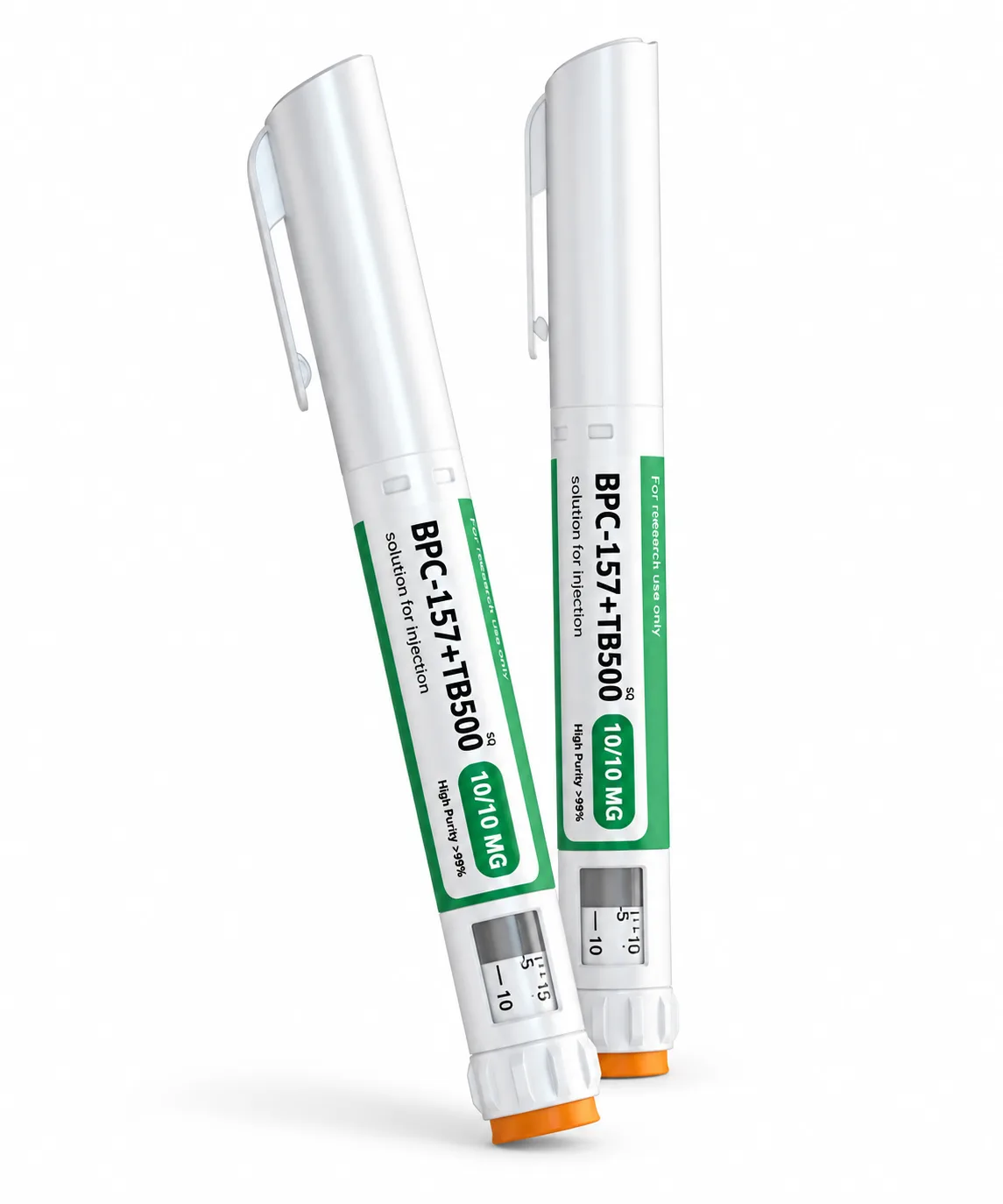
BPC-157 and TB-500 are a potent peptide combination provided in a single pen for maximum convenience and effectiveness.
8,600 UAH
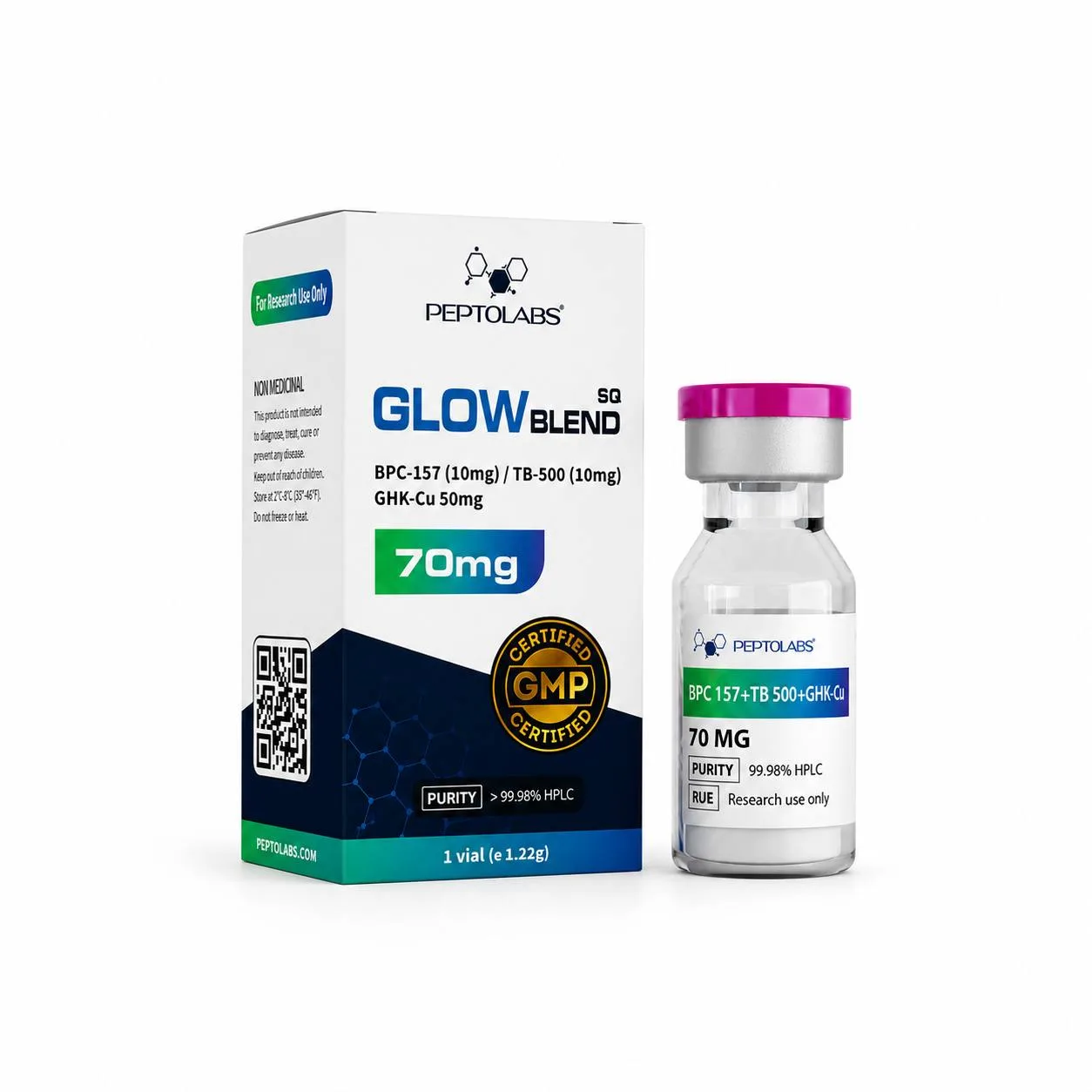
Glow Blend is an advanced peptide complex combining BPC-157, TB-500, and GHK-Cu to enhance tissue regeneration, collagen formation, and mitochondrial energy balance.
5,000 UAH
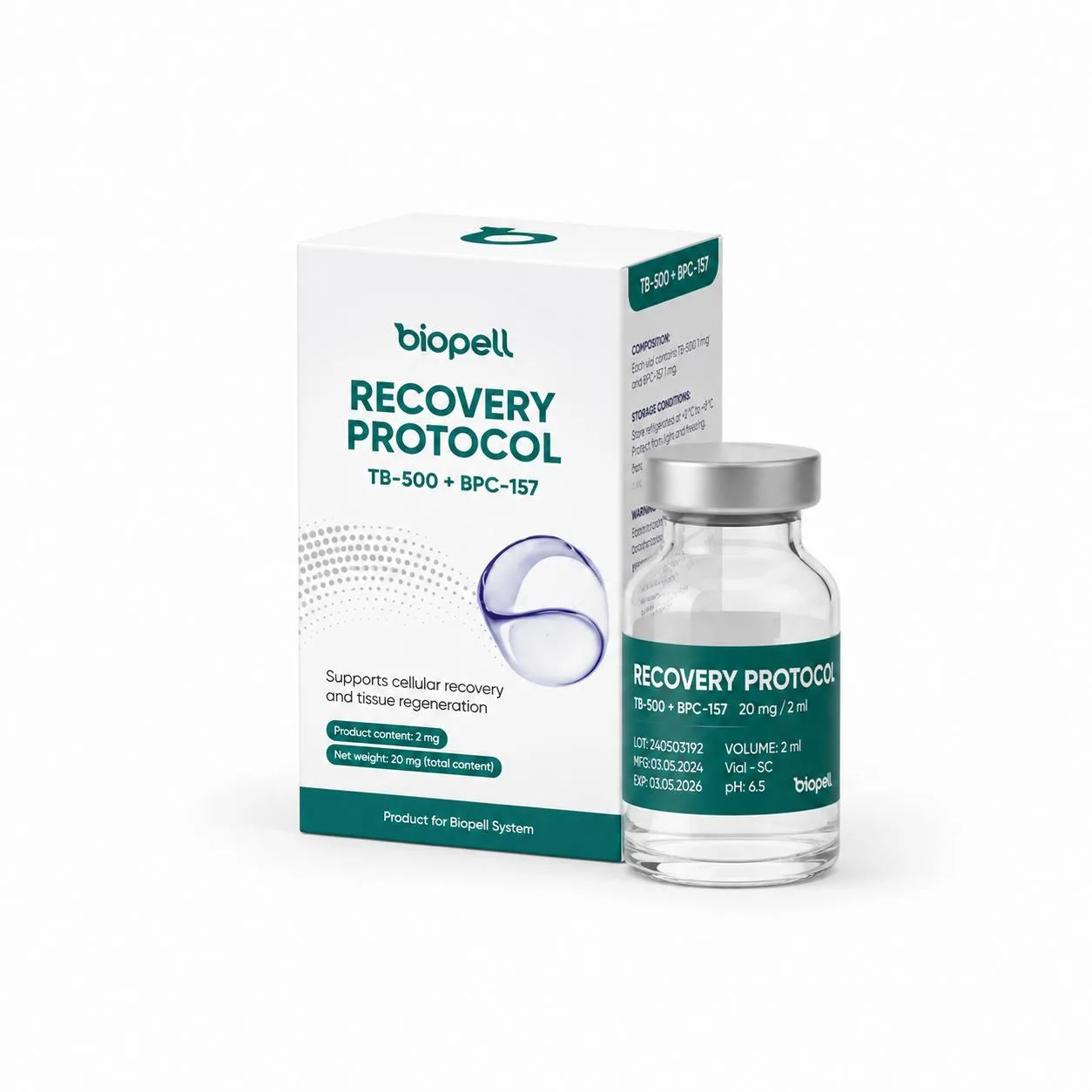
Support for regeneration and recovery after physical exertion
9,461 UAH
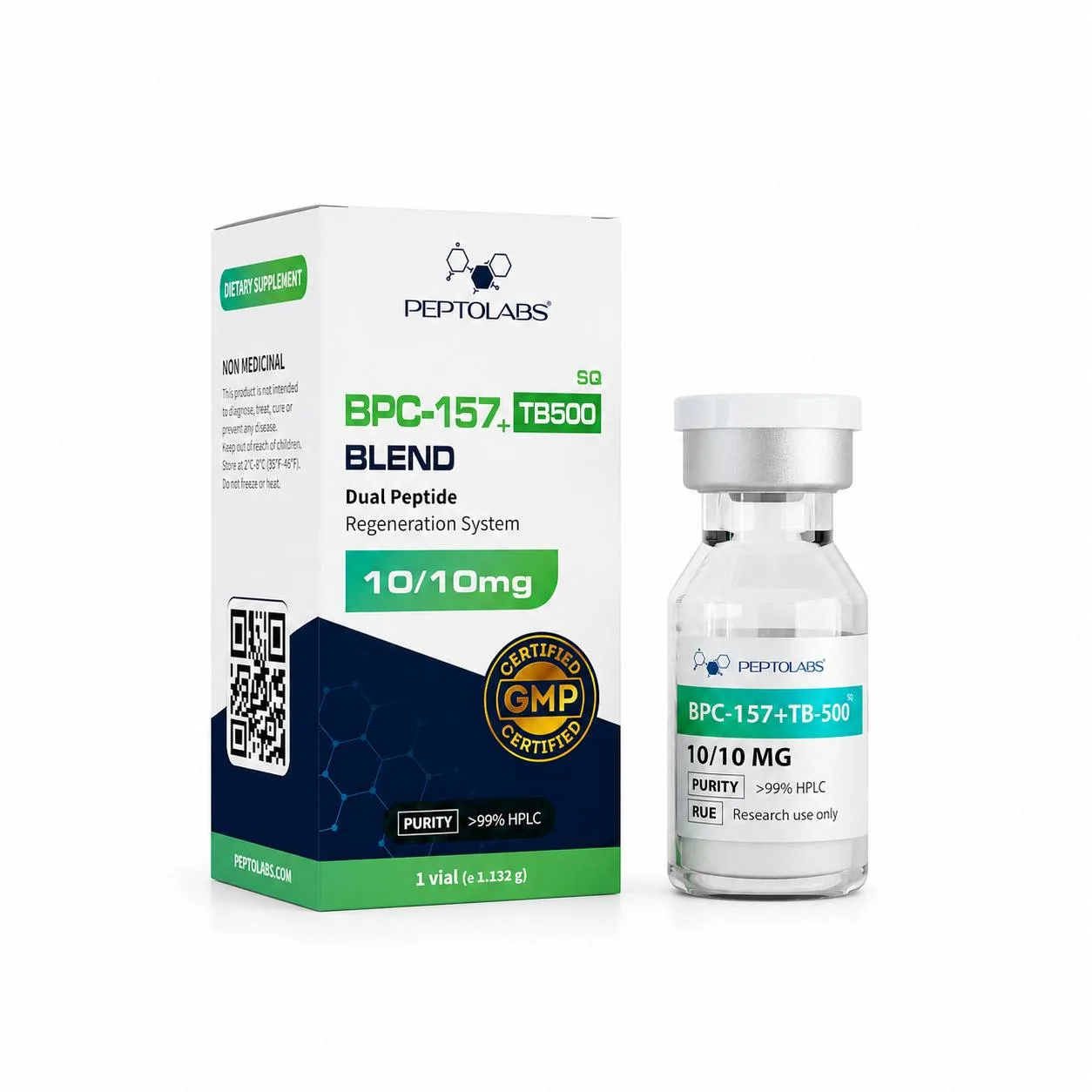
The combination of BPC-157 and TB500 acts synergistically, enhancing tissue healing and repair and providing a broader, faster regeneration process.
5,000 UAH
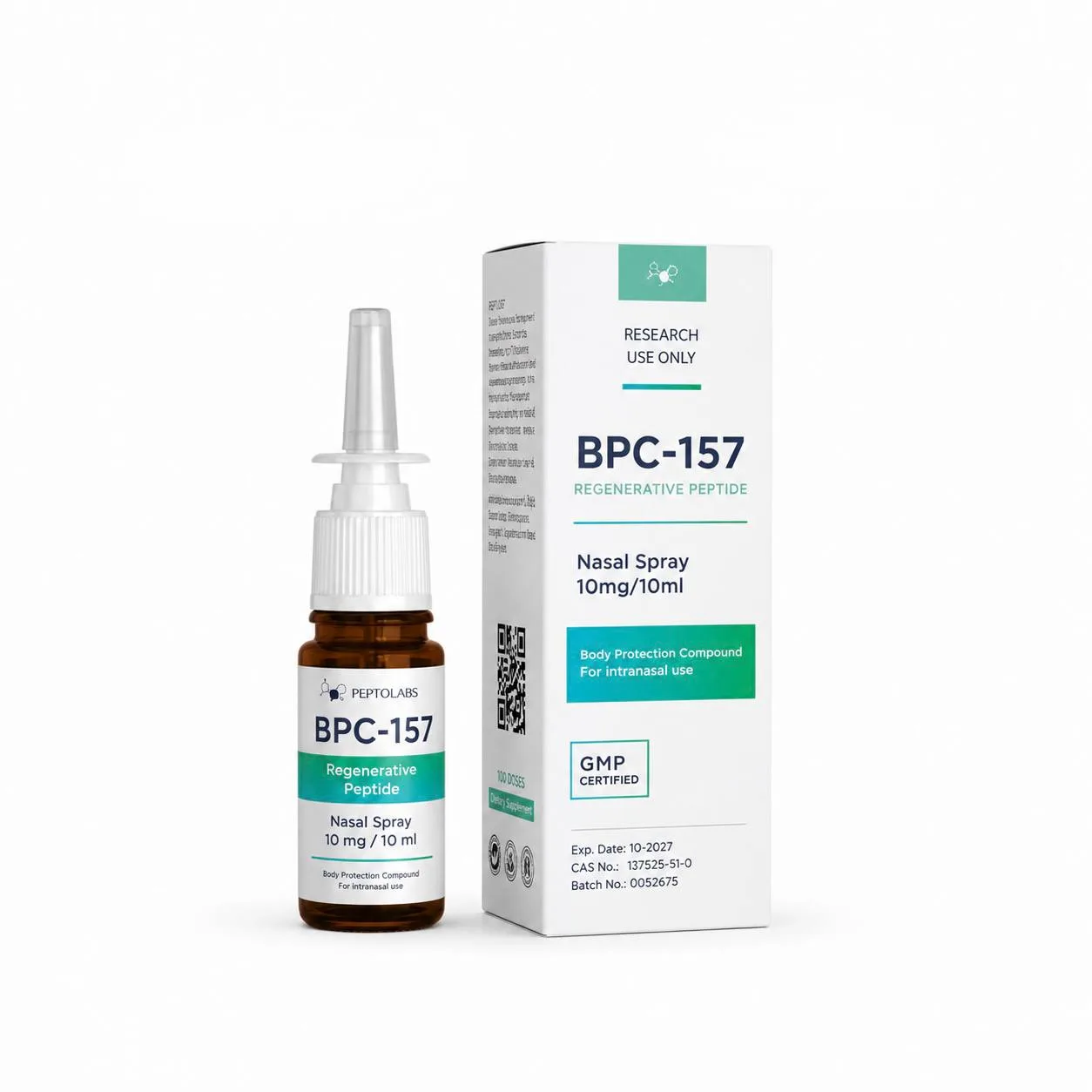
BPC-157 is a peptide originally isolated from human gastric juice and made up of 15 amino acids.
3,600 UAH
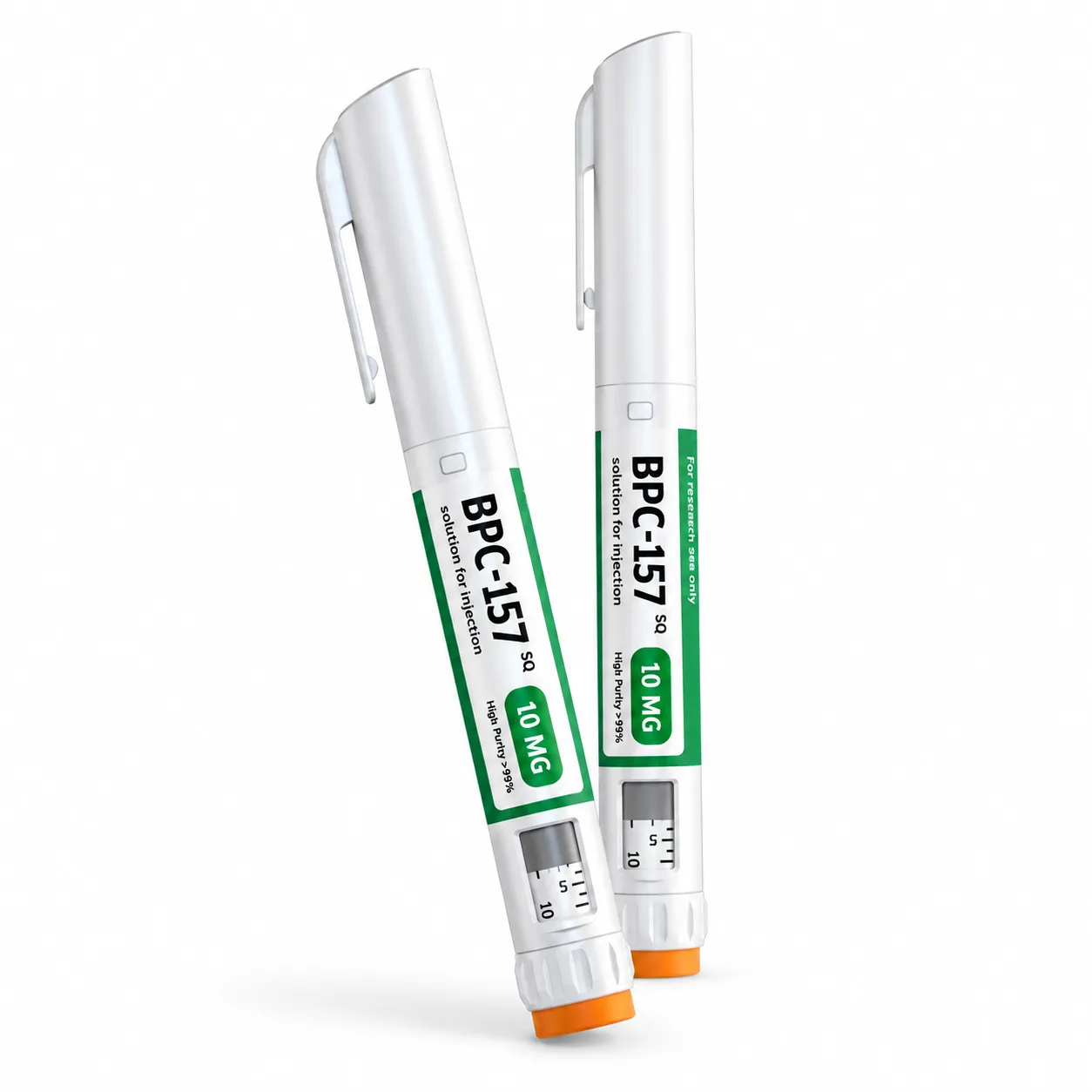
BPC 157 (short for "Body Protection Compound-157") is a peptide compound that has attracted interest and attention in medical research and sports science.
4,300 UAH
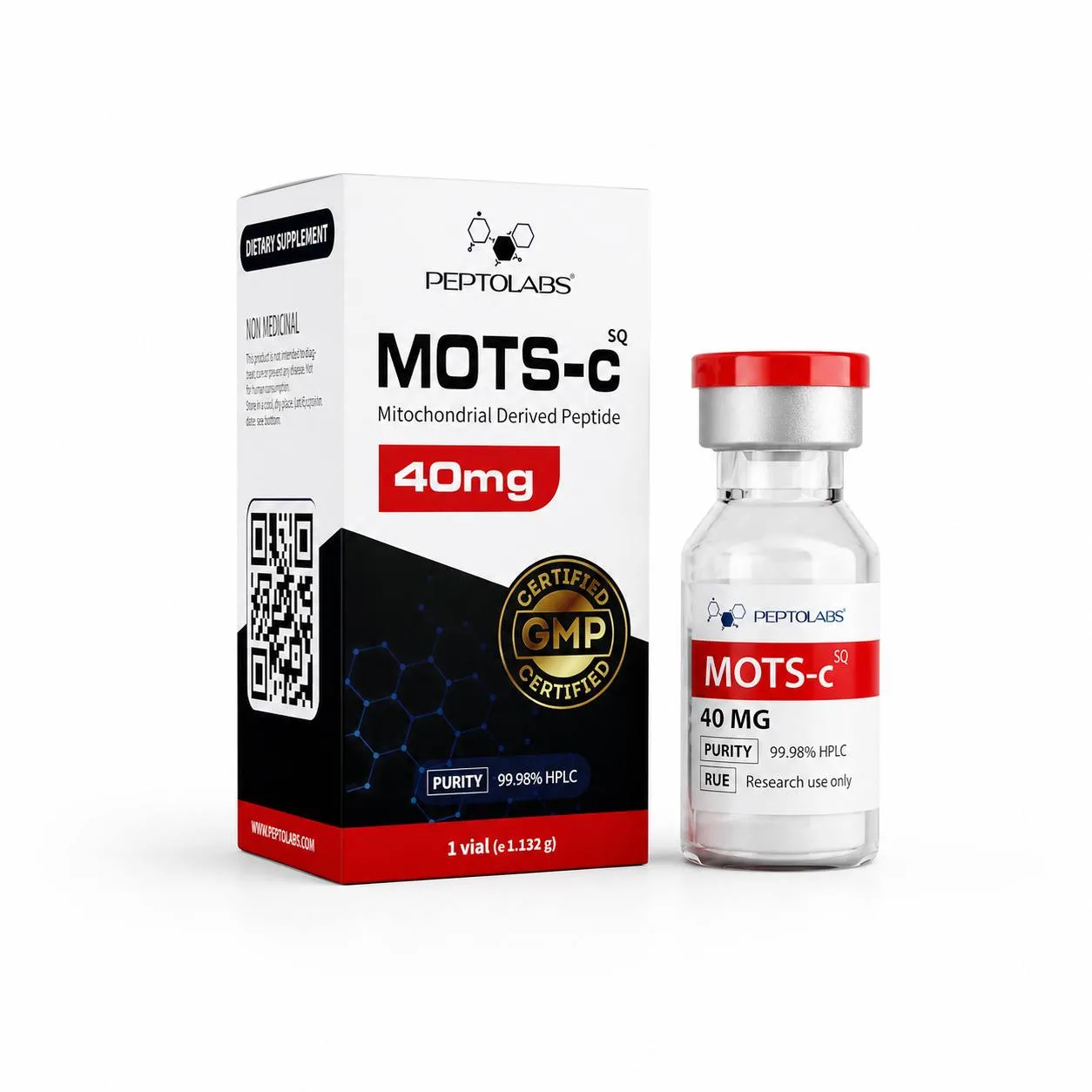
One of the known effects of the MOTS-c peptide is related to metabolism. MOTS-c is considered one of the key molecules responsible for regulating metabolism and supporting its improvement.
10,500 UAH
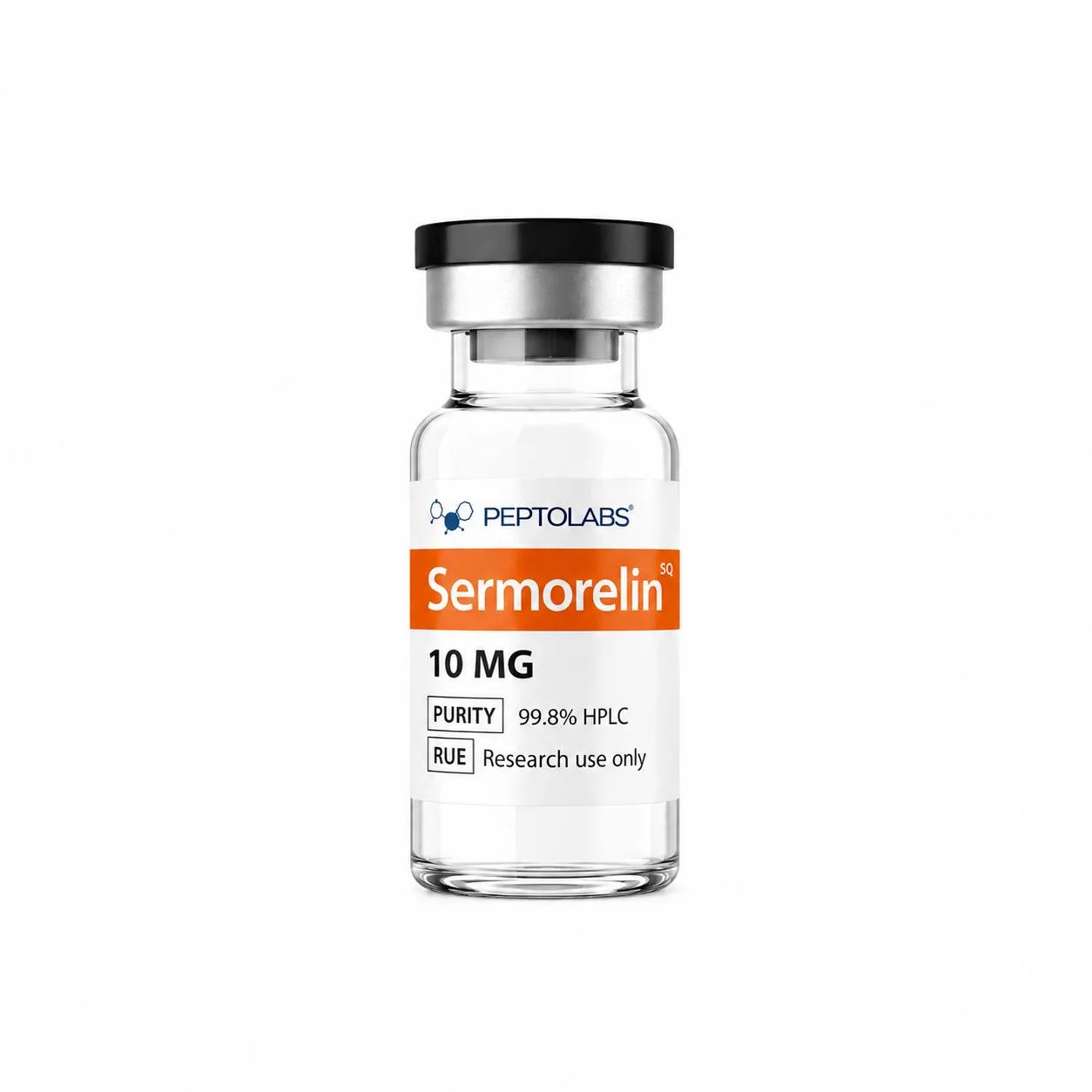
Sermorelin is a specific peptide composed of 29 amino acids. It was developed to help the pituitary gland produce growth hormone more effectively.
4,600 UAH
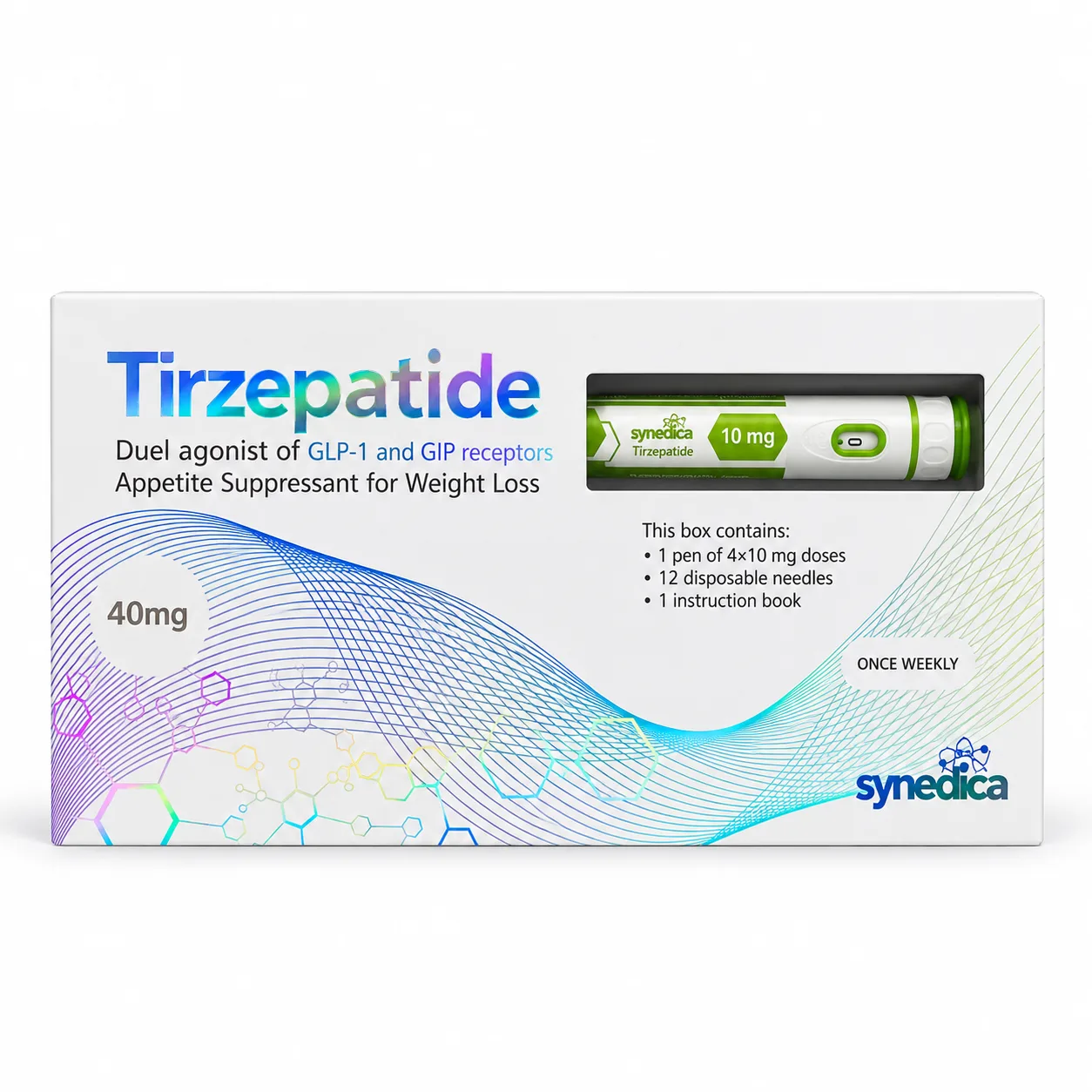
Тирзепатид Synedica 40 мг - шприц-ручка з 4 дозами по 10 мг. Інформація про склад, комплектацію, дію тирзепатиду та відмінності від Mounjaro і Biopatid.
14,627 UAH