Sale
Cold chain
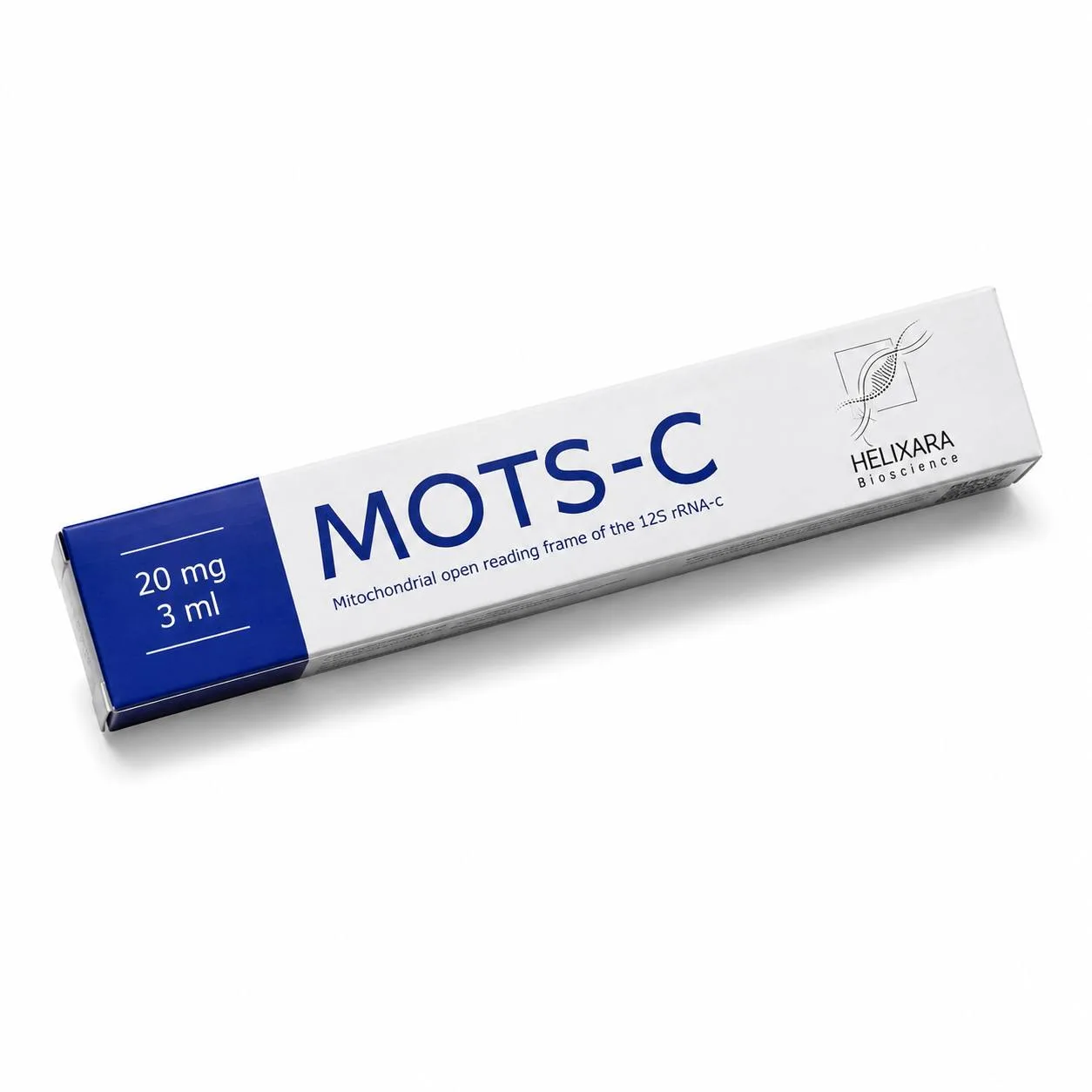
MOTS-C Helixara 20 mg / 3 ml – pre-filled pen for energy metabolism support9,835 UAH
A mitochondrial peptide of 16 amino acids that supports cellular energy, metabolism, physical endurance and a healthy lifestyle.
8,827 UAH
Orders are processed and handed over for delivery within 1–2 business days after confirmation by a manager. We deliver throughout Ukraine with Nova Poshta to a branch, parcel locker, or by courier to your address. Delivery cost is calculated at the carrier’s rates upon receipt.
Payment: Pay on delivery · Card transfer · Bank transfer · Crypto wallet · PayPal
MOTS-c is a short peptide of 16 amino acids, associated with the mitochondrial genome. Its discovery changed the traditional view of mitochondria: today they are considered not only as the "power stations" of the cell, but also as part of a complex system of metabolic signal transmission.
That is why MOTS-c is actively studied in the context of metabolism, energy metabolism, physical endurance, muscle work, insulin sensitivity and aging processes.
If a person feels that after 35–40 years it has become more difficult to tolerate stress, recovers longer after training, has become constantly tired or has become more difficult to control weight, the topic of mitochondrial health is naturally of interest.
But it is important to separate promising research directions and proven treatments.
One of the most studied mechanisms of MOTS-c is its interaction with AMPK, a cellular sensor of energy status.
AMPK is involved in the regulation of glucose and fatty acid utilization, energy balance, and cellular adaptation to energy deficiency.
In preclinical studies, MOTS-c has been shown to affect metabolic homeostasis and skeletal muscle metabolism.
This is where the great interest in MOTS-c in the field of metabolic health and physical performance arose.
When we talk about energy, it is not only about coffee, sleep, or the number of calories.
Mitochondria are directly involved in the production of cellular energy, so researchers are interested in the possibility of the influence of mitochondrial peptides on the efficiency of these processes.
In a study published in 2026, MOTS-c administration improved skeletal muscle mitochondrial bioenergetics through mechanisms involving PGC-1α and AMPK. However, this was largely a preclinical study, and the results cannot be directly extrapolated to humans.
This is one of the most interesting areas of MOTS-c research.
In humans, endogenous MOTS-c has been shown to respond to exercise: its levels in skeletal muscle increased after exercise, and its blood concentration temporarily increased during and after exercise.
In animal studies, MOTS-c administration has also been associated with improved exercise capacity and metabolic adaptation in muscles.
Therefore, MOTS-c is currently being actively discussed in the context of endurance, training, muscle function and recovery, although the clinical efficacy of MOTS-c administration in humans has yet to be confirmed.
Another popular topic is MOTS-c and insulin resistance.
In a fundamental work in Cell Metabolism, MOTS-c regulated metabolic homeostasis and insulin sensitivity. In experimental models, it protected mice from age-related and high-fat diet-induced insulin resistance.
These are interesting results, but they do not mean that MOTS-c is already a proven treatment for insulin resistance in humans.
With elevated insulin, glucose or HOMA-IR, first of all, an assessment of the metabolic state and the causes of the disorder is required.
This is the query that people often type into Google.
MOTS-c should not be positioned as a direct analogue of semaglutide, tirzepatide or retatrutide.
It is being studied in a completely different context - mitochondrial function, metabolic homeostasis and energy metabolism.
In animal models, MOTS-c has affected obesity and insulin resistance, but there is currently insufficient evidence to promise similar weight loss in humans.
Therefore, the statement “MOTS-c burns fat” would be too strong.
With age, the body's metabolic and physical adaptations change, so a separate area of research on MOTS-c concerns aging and age-related decline in physical performance.
In a study by Nature Communications, MOTS-c improved physical performance in old mice and affected skeletal muscle metabolism. The authors also found a connection between natural MOTS-c and physical exertion in humans.
Therefore, MOTS-c is often mentioned in the context of healthy aging, but it is still premature to call it a proven "anti-aging peptide."
| Active ingredient | MOTS-c |
|---|---|
| Product form | Pre-filled pen |
| Dosage | 10 mg |
| Volume | 3 ml |
| Route of administration | Subcutaneous injection |
| Requires reconstitution | No |
| Storage conditions | 2–8 °C (refrigerated) |
| Quantity per package | 1 pre-filled pen |
| Country of origin | ОАЕ |
MOTS-c is a mitochondrial peptide that is being studied in the context of energy metabolism, metabolism, muscle function, and healthy aging.
MOTS-c is being studied for its potential effects on mitochondrial function, energy metabolism, metabolic adaptation, endurance, and recovery from exercise.
MOTS-c is associated with cellular energy metabolism and mitochondrial function. However, its use specifically for the treatment of chronic fatigue currently lacks sufficient clinical evidence.
MOTS-c is not a GLP-1 analogue for weight loss. It is being studied in the context of metabolism, insulin sensitivity, and energy metabolism, but there is currently insufficient evidence of weight loss in humans.
In preclinical studies, MOTS-c has been shown to be associated with improvements in glucose metabolism and insulin sensitivity. Clinical data for the use of MOTS-c as a treatment for insulin resistance are not yet sufficient.
MOTS-c is being studied in relation to skeletal muscle function, AMPK, mitochondrial metabolism, and exercise adaptation, which is why it is of interest to athletes looking to improve recovery.
These are different molecules. NAD+ is a coenzyme necessary for many cellular processes, and MOTS-c is a mitochondrial peptide involved in signaling mechanisms regulating metabolism.
Both are associated with mitochondria but have different mechanisms of action. MOTS-c is a mitochondrial signal peptide, while SS-31 is being investigated for its interaction with the inner mitochondrial membrane.
MOTS-c Afira 10 mg / 3 ml is presented in the Nova Vroda catalog. On the product page you can view the current price, specifications and product information.
MOTS-c Afira in the presented format contains 10 mg / 3 ml, 30 mg / 3 ml and is available in a ready-to-use syringe pen.
A mitochondrial peptide of 16 amino acids that supports cellular energy, metabolism, physical endurance and a healthy lifestyle.
8,827 UAH
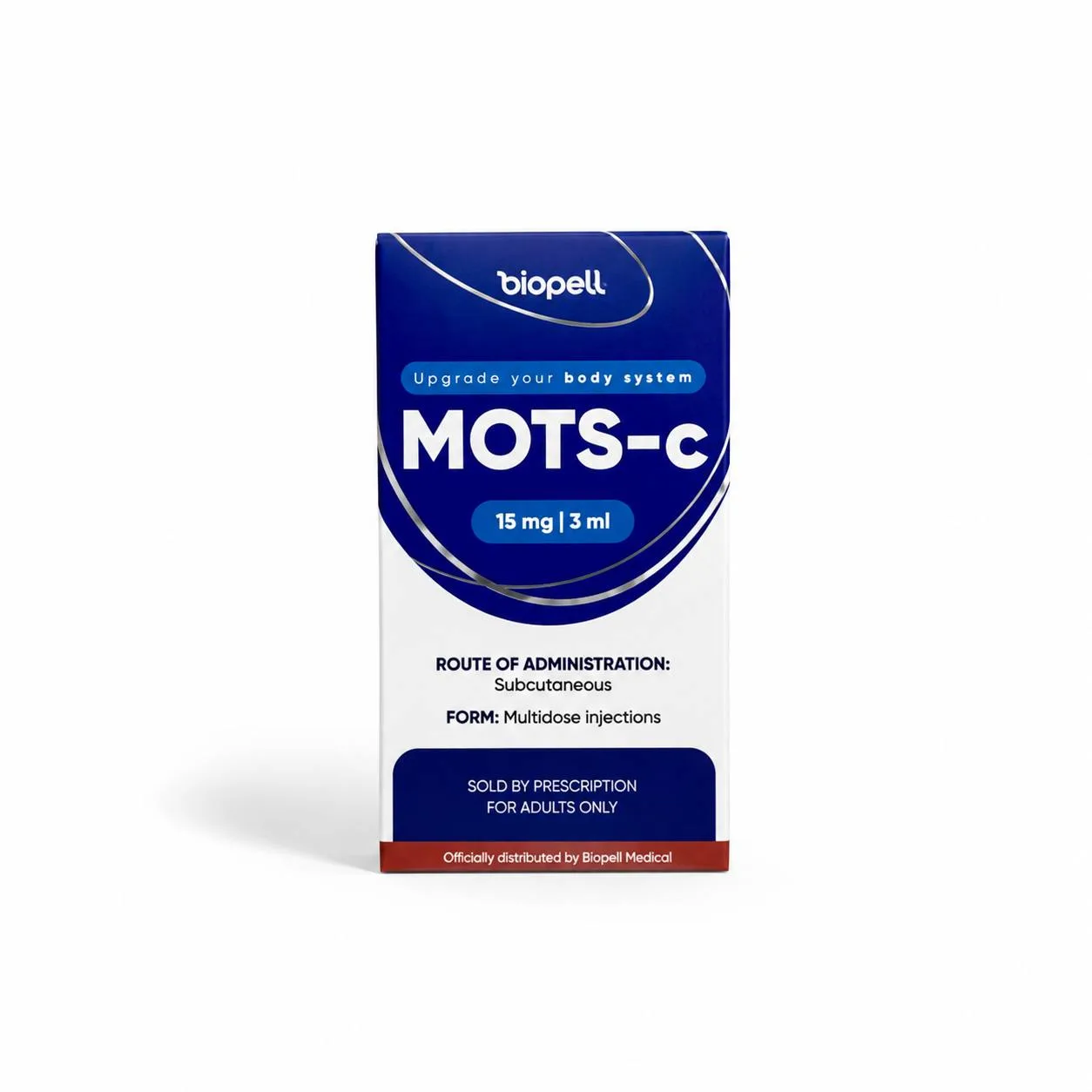
MOTS-c is a peptide that affects cellular processes associated with energy metabolism.
200 UAH
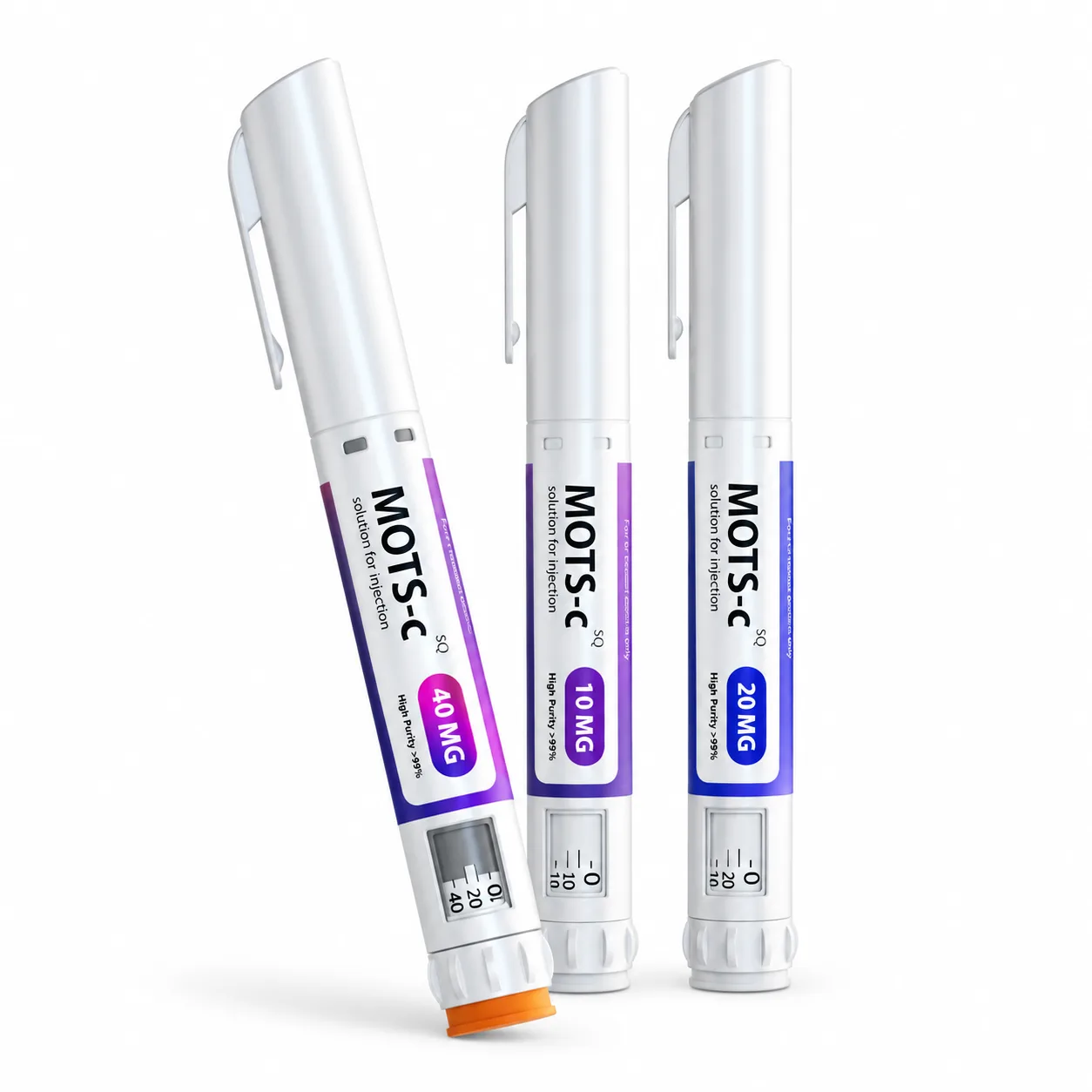
Scientific interest in MOTS-C is associated with energy metabolism, insulin sensitivity, adaptation to physical exertion, and cellular stress.
4,100 UAH
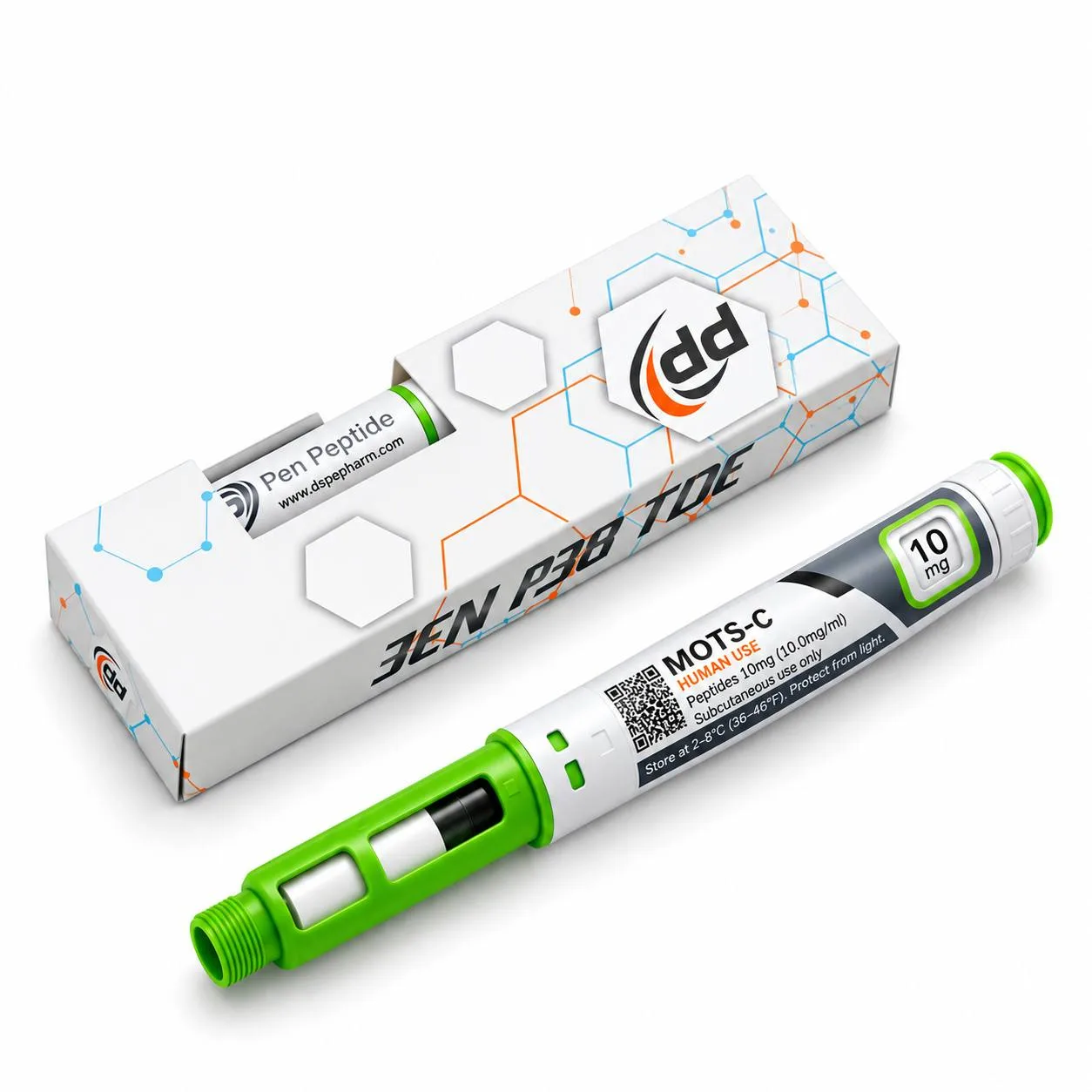
MOTS-c 10 мг DSP Peptide (МОТС-с) - мітохондріальний пептид у шприц-ручці. Дослідження метаболізму, клітинної енергії та інсулінорезистентності.
4,000 UAH
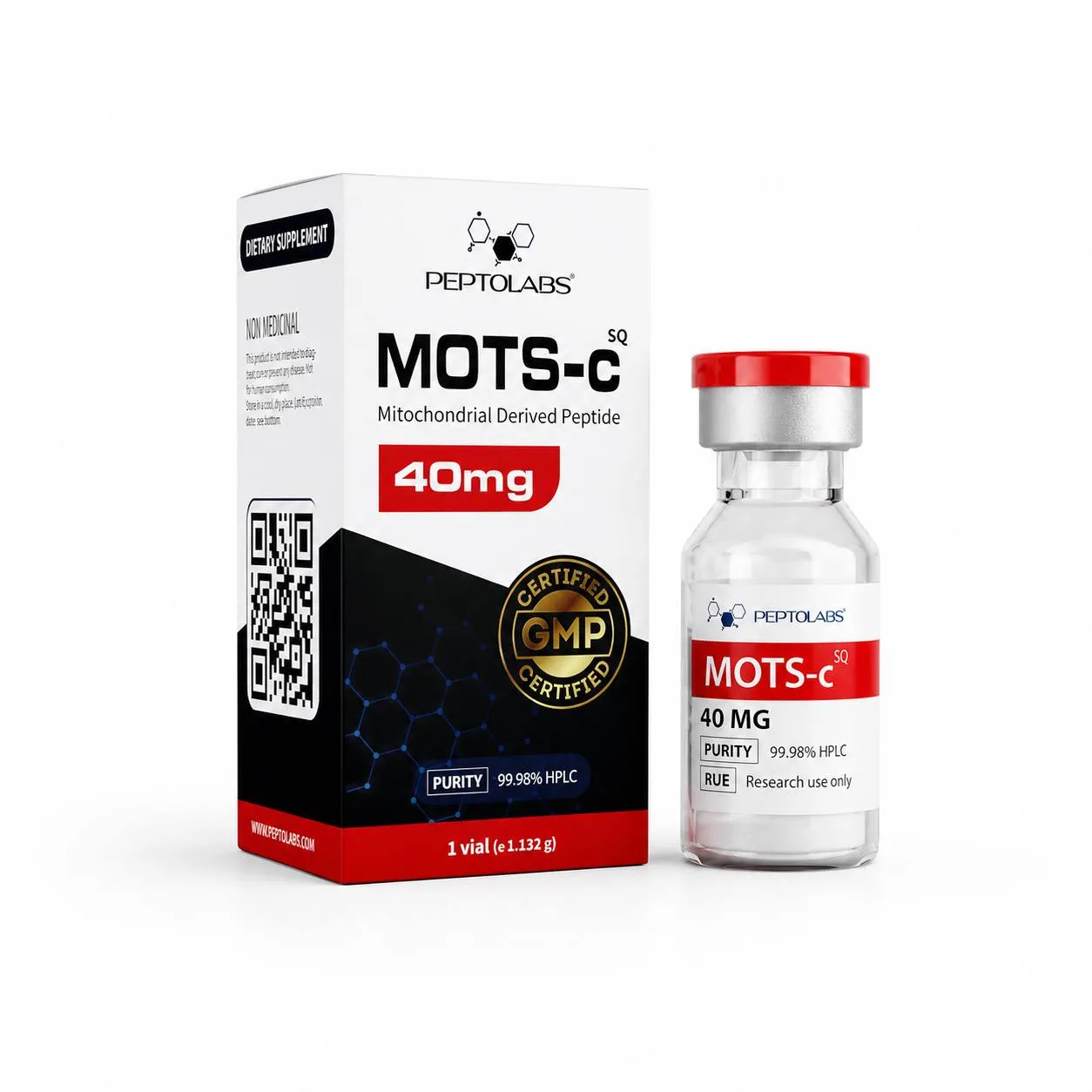
One of the known effects of the MOTS-c peptide is related to metabolism. MOTS-c is considered one of the key molecules responsible for regulating metabolism and supporting its improvement.
10,500 UAH
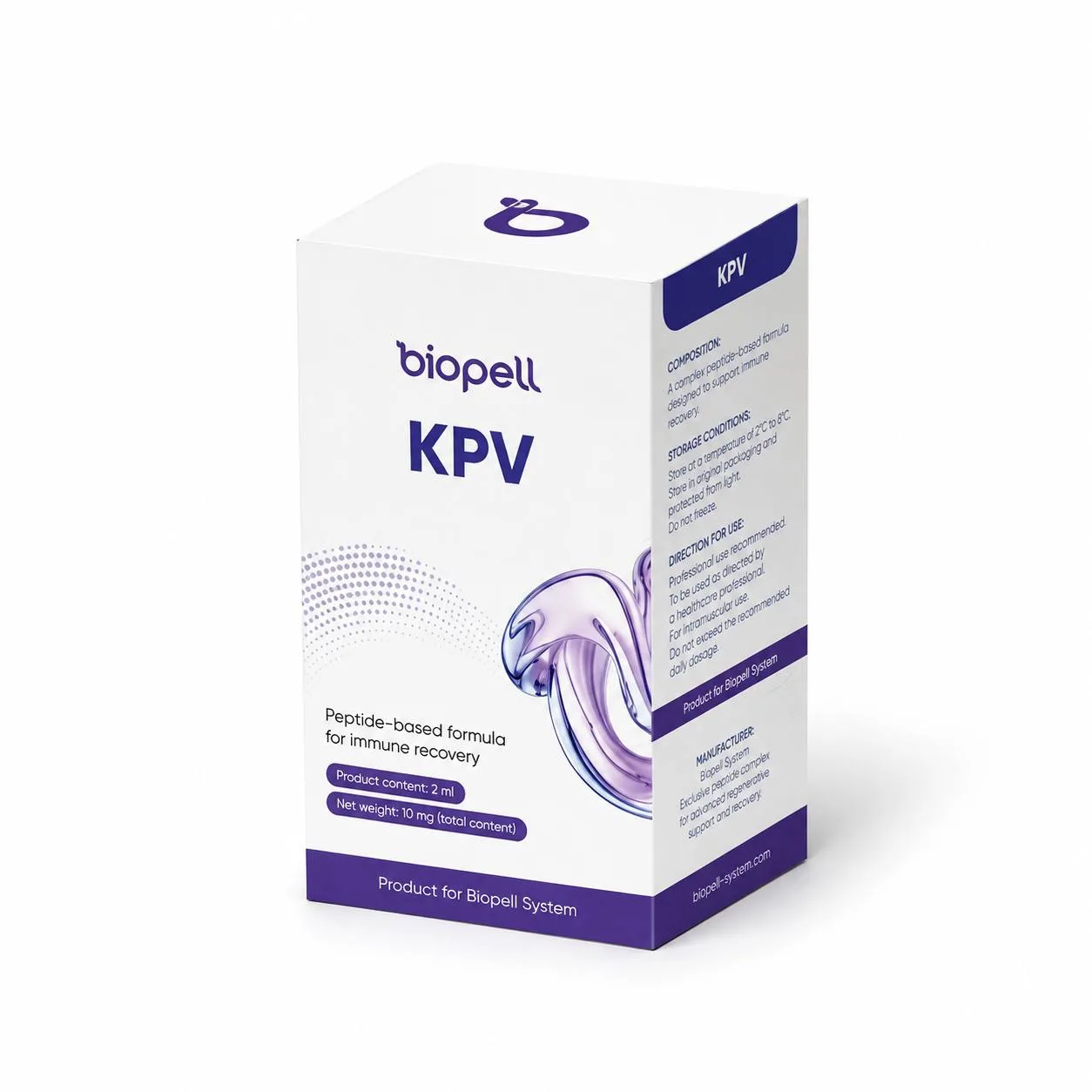
KPV, a modern answer for controlling the inflammatory background, supporting the gut–skin axis and the body's internal balance
5,857 UAH
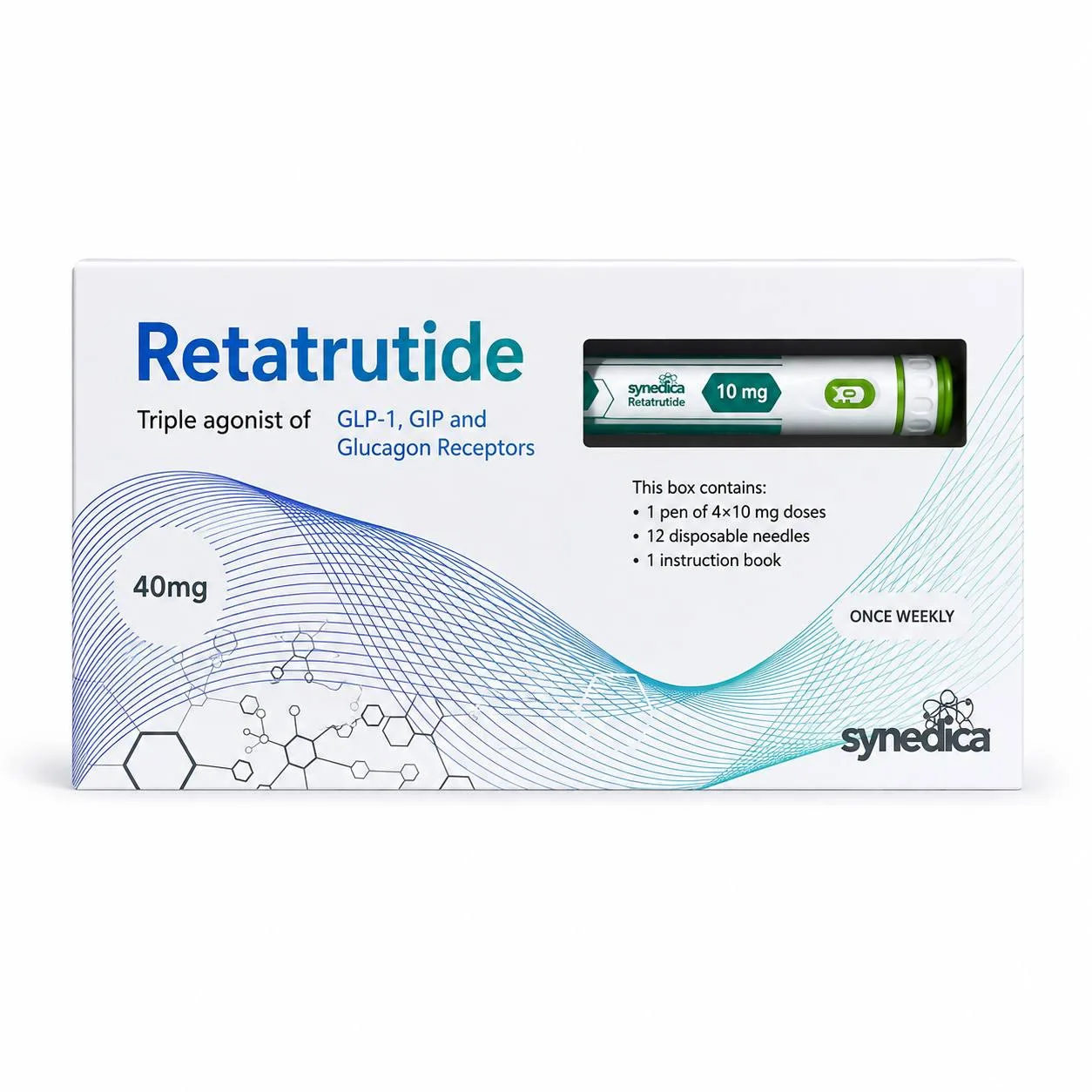
Retatrutide Synedica 40 mg (Retatrutide 40 mg) in a pre-filled pen. Convenient dosing system, high quality and a modern format.
12,761 UAH
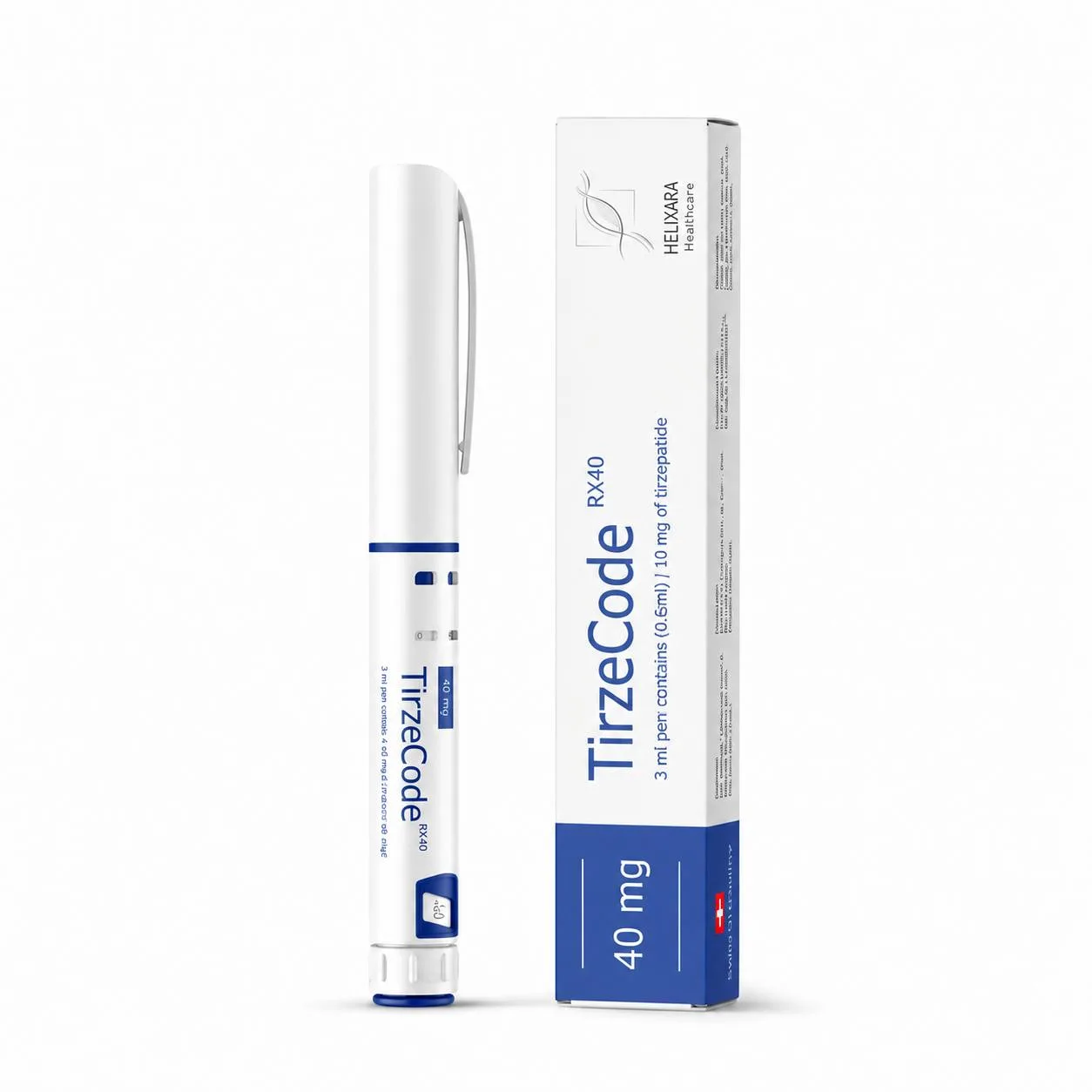
Tirze Code (or TirzeCode) is a peptide product whose main active component is tirzepatide
14,627 UAH
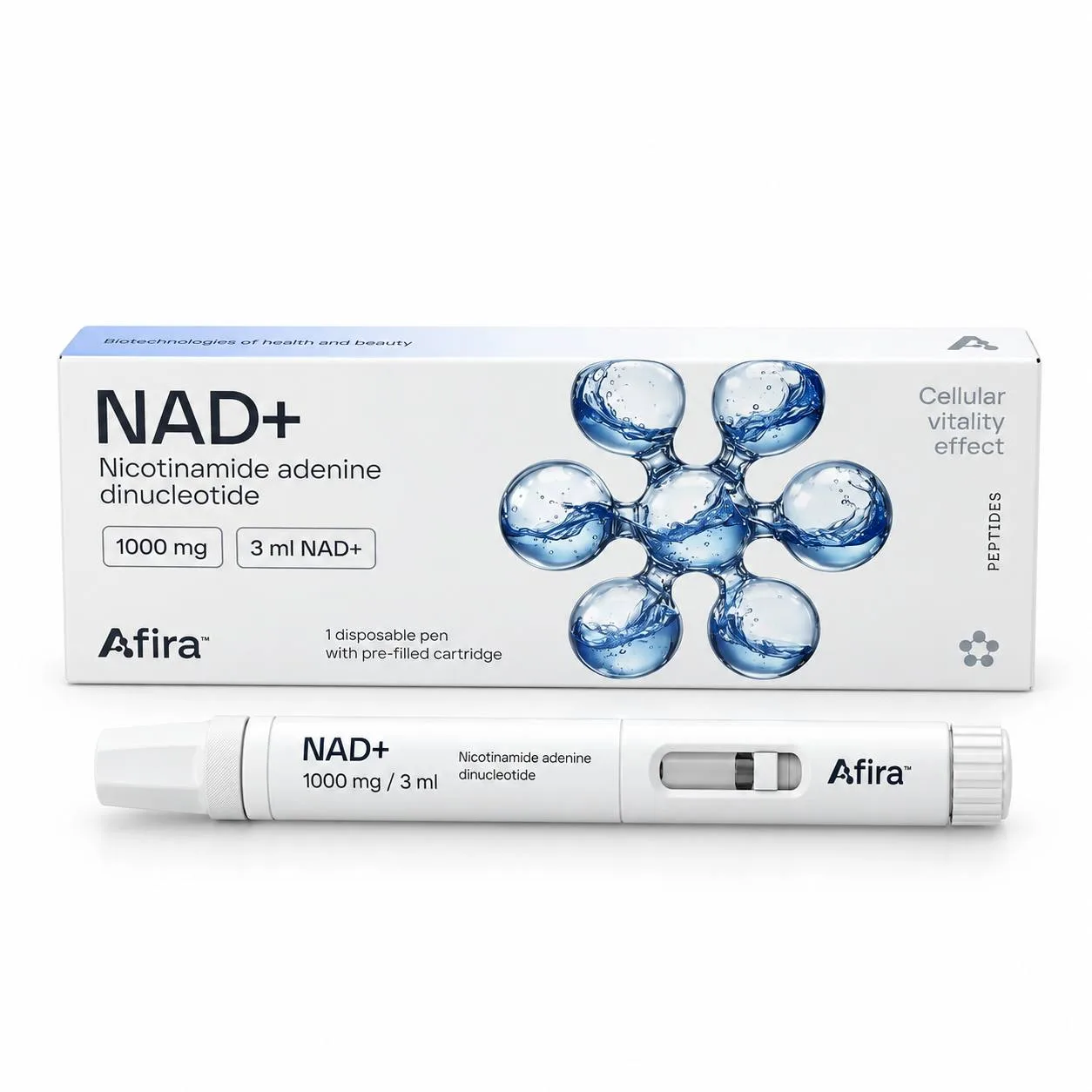
NAD+ Afira 1000 mg / 3 ml — a coenzyme of cellular energy metabolism and mitochondrial function. NAD+ is being studied in the context of healthy aging
9,583 UAH
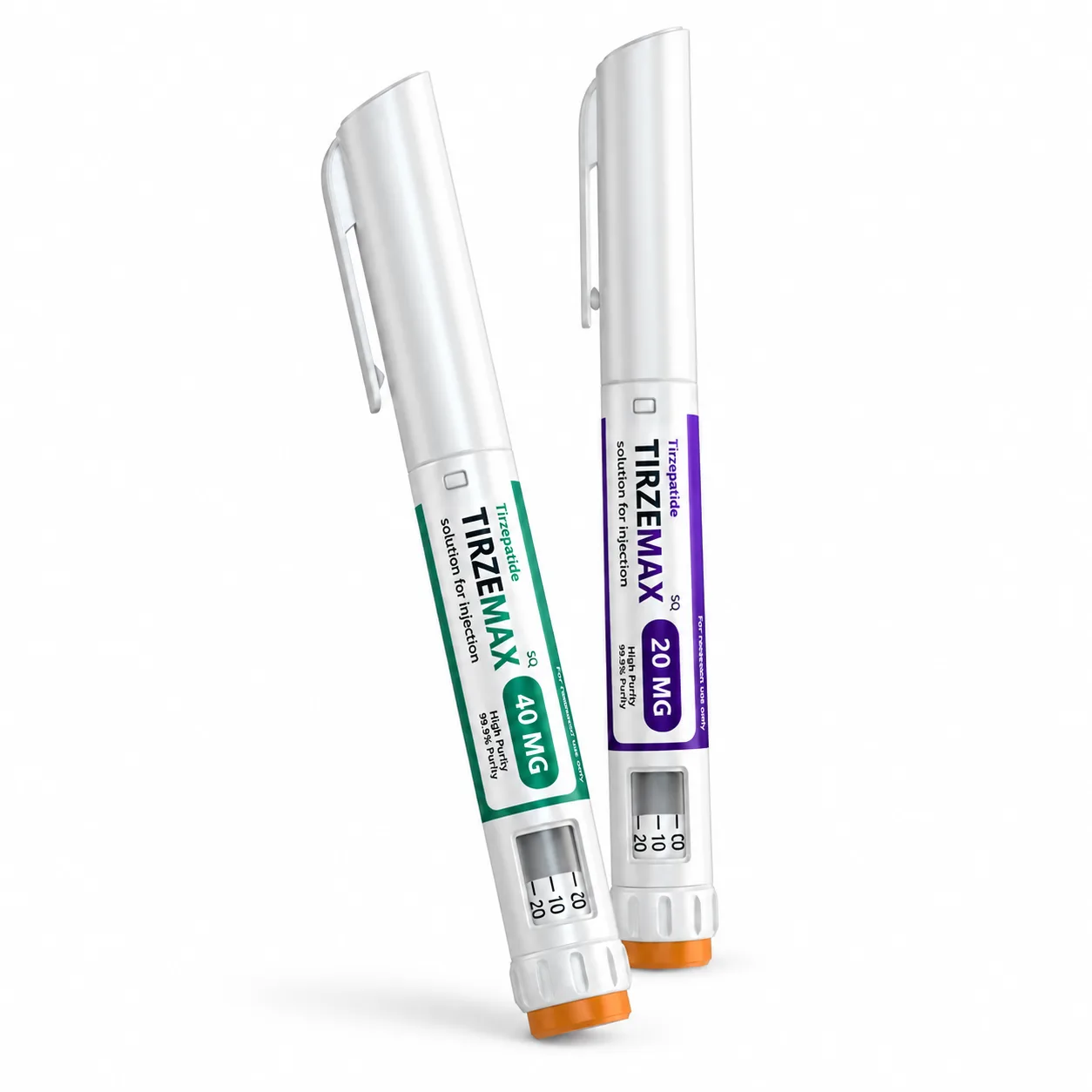
TirzeMax, widely known as "Mounjaro", is a modern appetite-suppressing product that leads to significant weight loss.
9,100 UAH
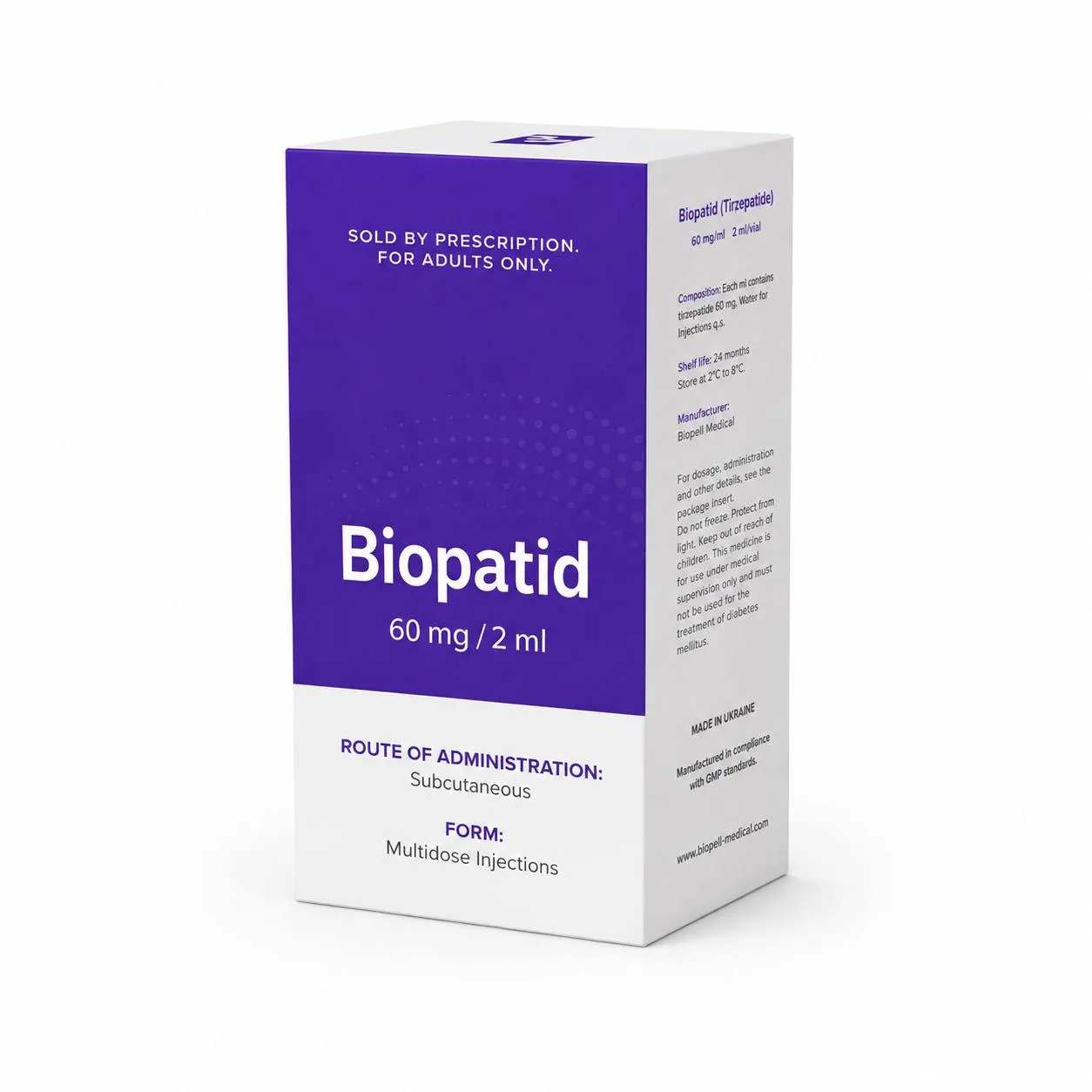
Biopatid 60 mg/2 ml — an innovative complex supporting the nervous system and metabolic processes
27,031 UAH
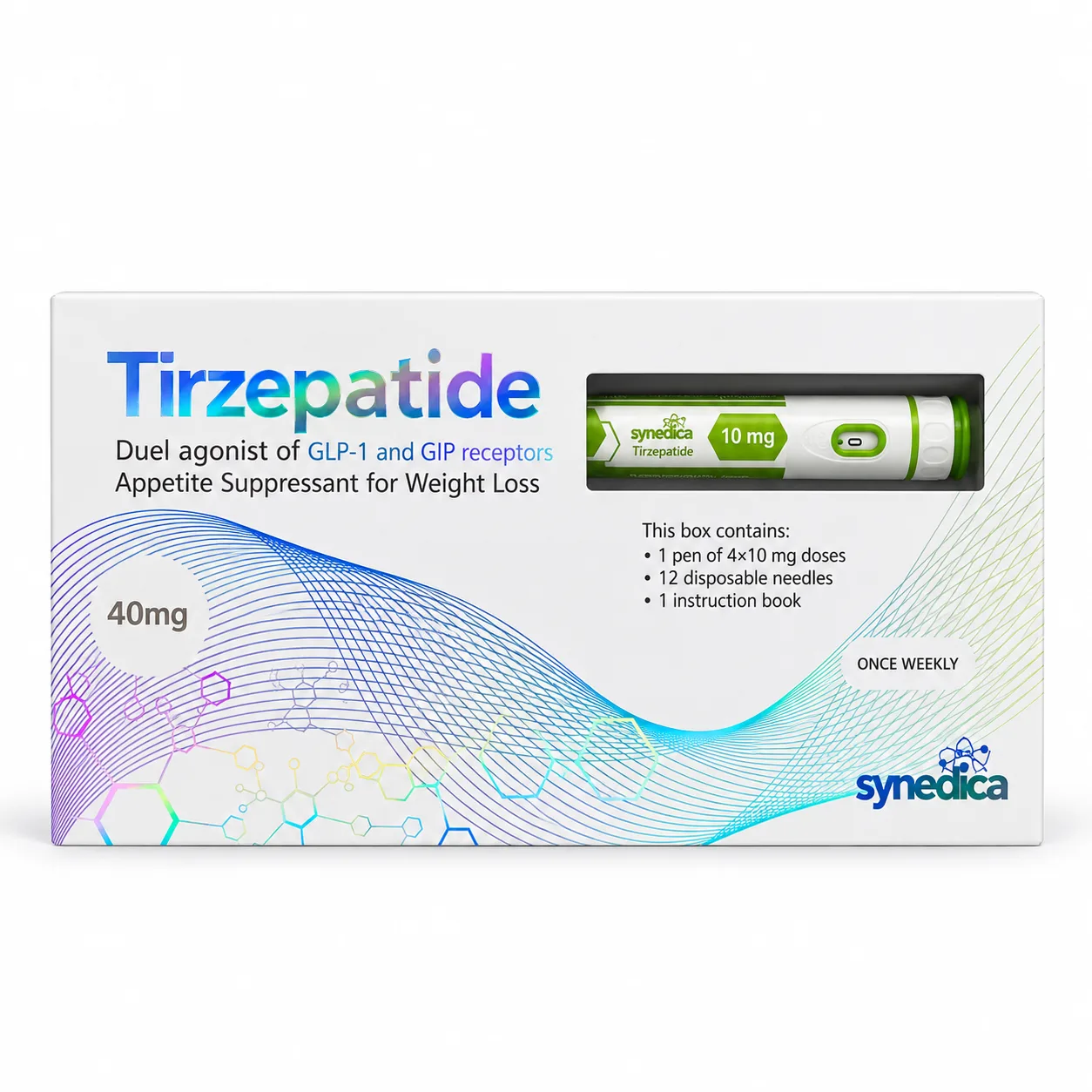
Тирзепатид Synedica 40 мг - шприц-ручка з 4 дозами по 10 мг. Інформація про склад, комплектацію, дію тирзепатиду та відмінності від Mounjaro і Biopatid.
14,627 UAH
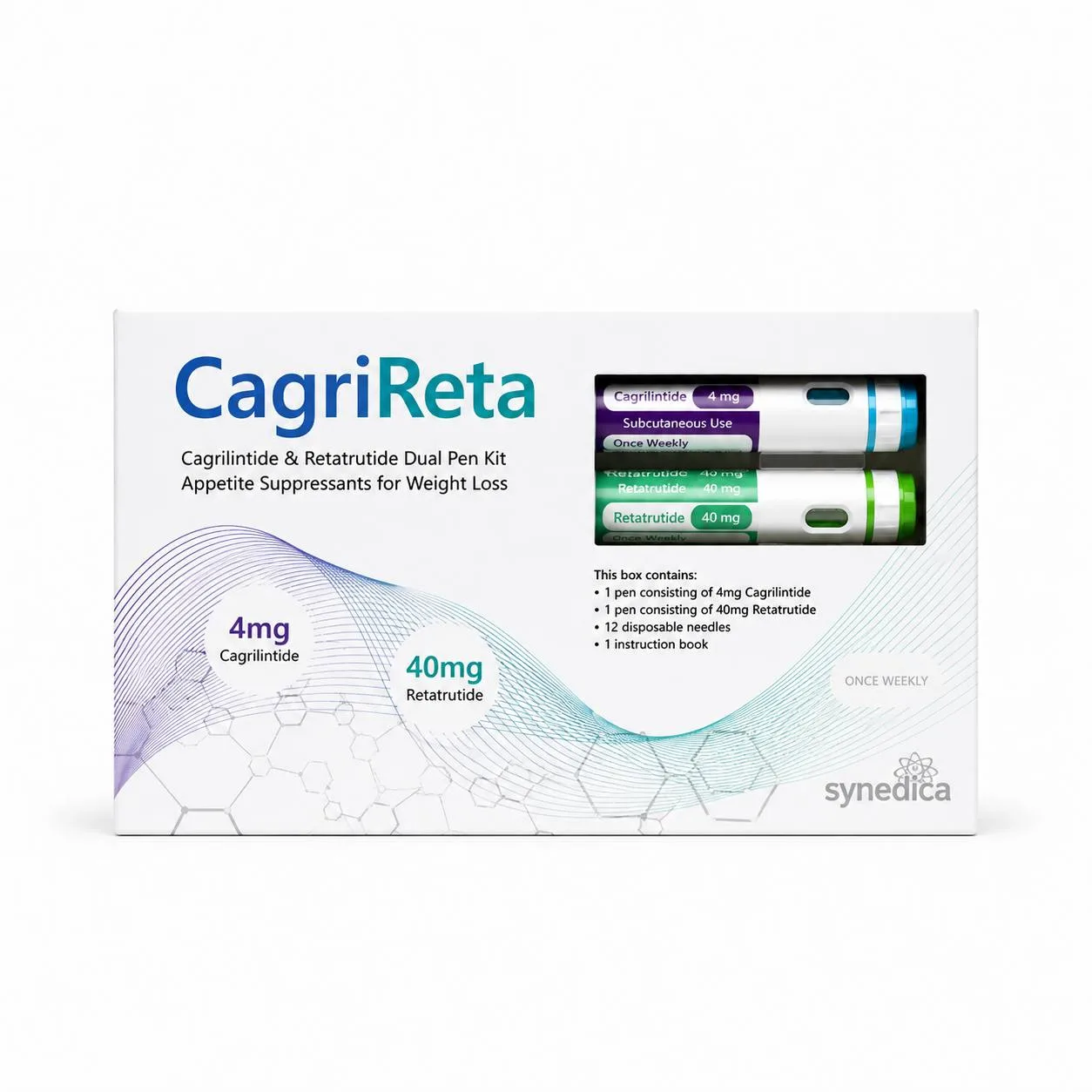
Cagri Reta Synedica — Cagrilintide 4 mg + Retatrutide 40 mg. Appetite, weight and metabolism control study.
15,635 UAH
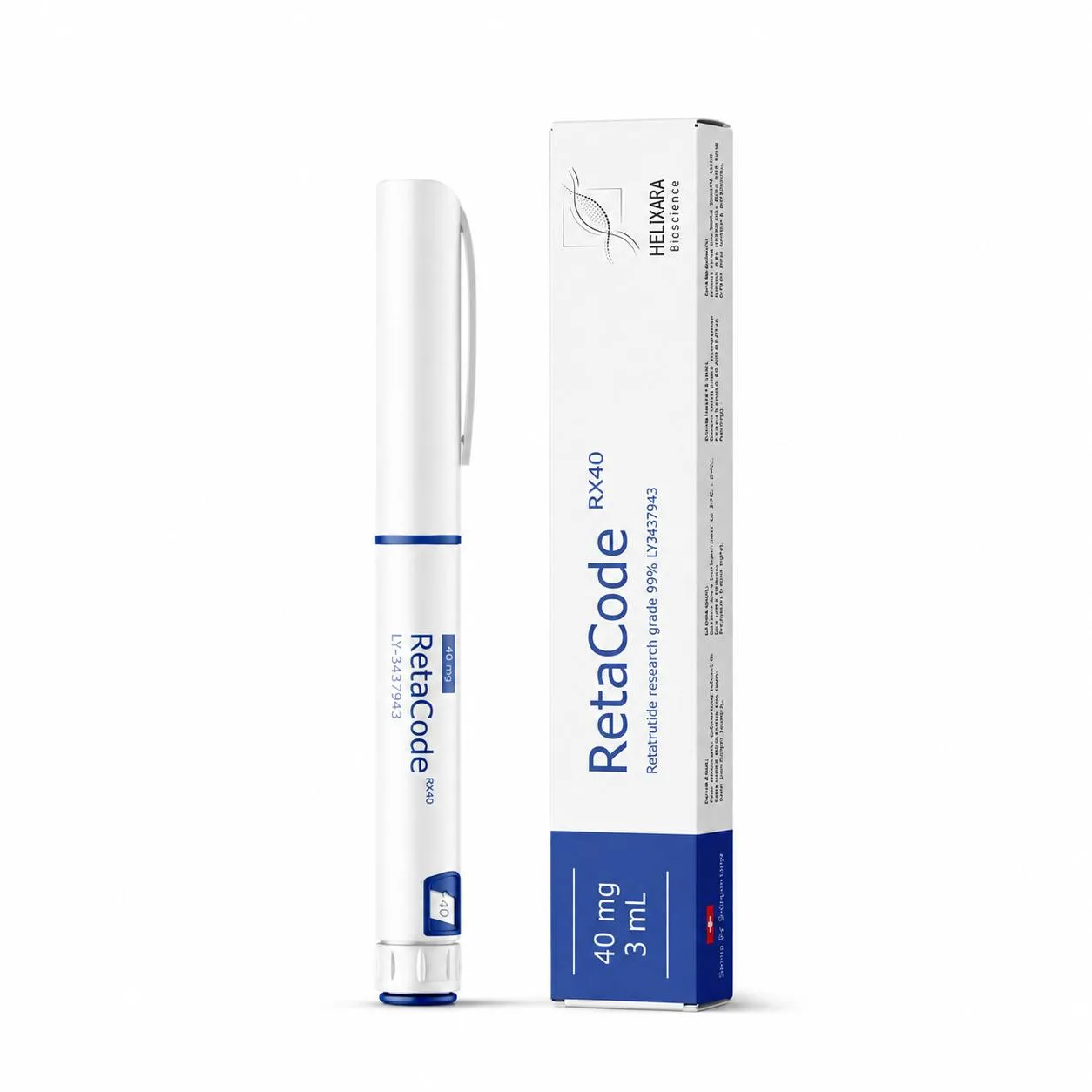
Retatrutide is a peptide agonist of the glucagon-like peptide-1 (GLP-1), glucose-dependent insulinotropic peptide (GIP) and glucagon receptors
14,626 UAH