Sale
Cold chain
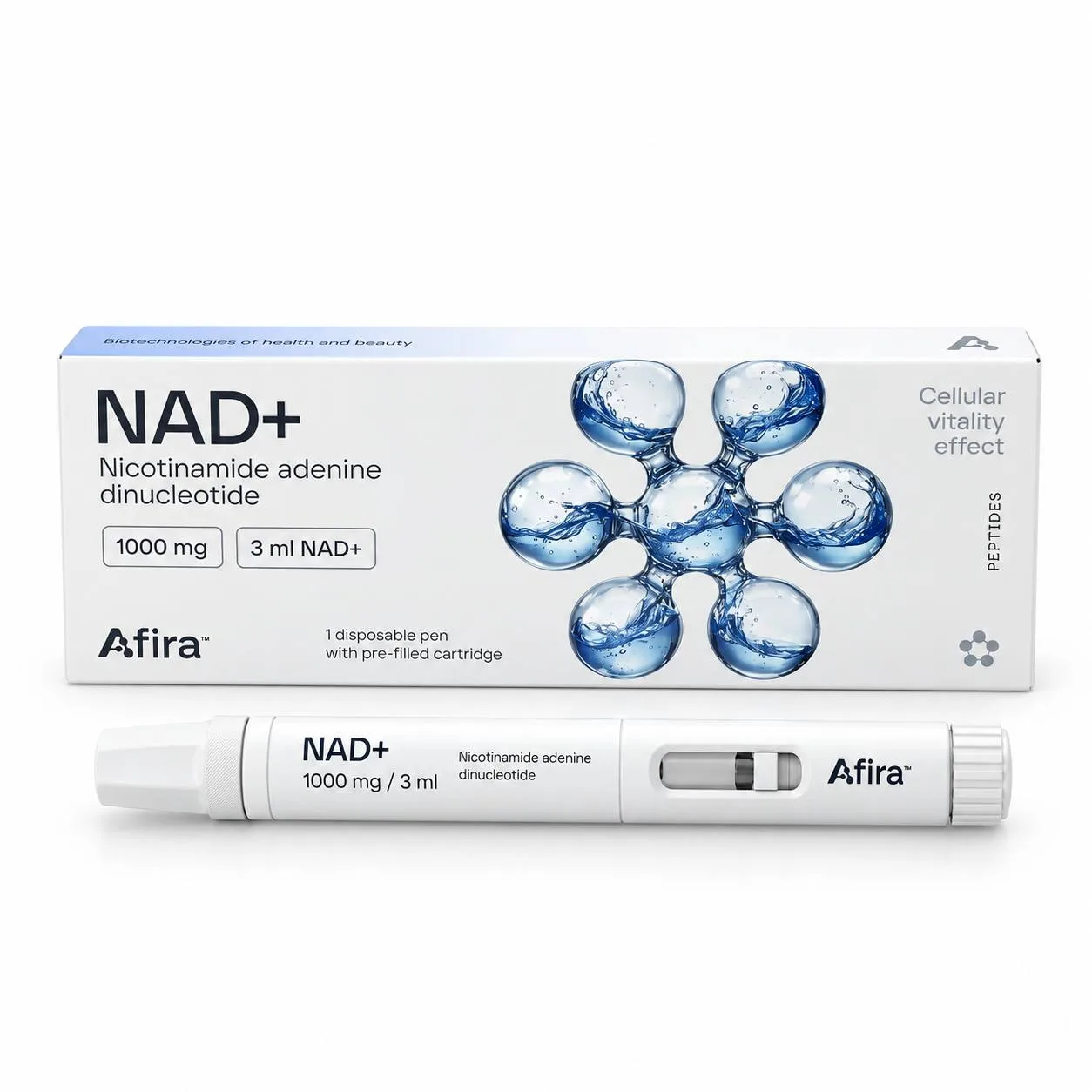
NAD+ Afira 1000 mg / 3 ml — NAD Plus in a syringe pen10,592 UAH
NAD+ Afira 1000 mg / 3 ml — a coenzyme of cellular energy metabolism and mitochondrial function. NAD+ is being studied in the context of healthy aging
9,583 UAH
Orders are processed and handed over for delivery within 1–2 business days after confirmation by a manager. We deliver throughout Ukraine with Nova Poshta to a branch, parcel locker, or by courier to your address. Delivery cost is calculated at the carrier’s rates upon receipt.
Payment: Pay on delivery · Card transfer · Bank transfer · Crypto wallet · PayPal
Nicotinamide adenine dinucleotide (NAD) is a vital component of the metabolic processes and reactions that occur in human cells. NAD is crucial to numerous cellular events. These include glycolysis (the breakdown of glucose into pyruvate and hydrogen), the citric acid cycle (the release of stored energy from carbohydrates, proteins and fats through the oxidation of acetyl-CoA), the breakdown of fatty acids, DNA repair and inflammatory responses, to name just a few. These processes cannot take place without NAD. Because it is involved in the body's metabolic processes, NAD undergoes oxidation or reduction, with the oxidised form known as NAD+.
There are two main mechanisms through which the human body synthesises NAD+. The kynurenine pathway is a pathway in which NAD+ is synthesised from the essential amino acid tryptophan. Enzymes such as tryptophan 2,3-dioxygenase (TDO) and indoleamine 2,3-dioxygenase (IDO) facilitate the oxidative breakdown of tryptophan to form formylkynurenine in this pathway. Several enzymatic reactions occur after formylkynurenine is formed, and it is then converted into NAD+ by various enzymes, including 3-hydroxyanthranilic acid 3,4-dioxygenase (3-HAAO).
The second pathway, known as the salvage pathway, recycles NAD+ during the consumption of nicotinic acid, nicotinamide adenine mononucleotide and nicotinamide. The enzyme nicotinamide phosphoribosyltransferase (Nampt) converts nicotinamide into nicotinamide adenine mononucleotide (NMN), which is then converted into NAD+ by another enzyme called nicotinamide mononucleotide adenylyltransferase (Nmnat). In addition, nicotinic acid can be a precursor for NAD+ synthesis, generating nicotinic acid mononucleotide (NAMN), which is conjugated with NAD+ by the enzyme Nampt. The availability of multiple pathways for NAD+ synthesis highlights its critical importance in the human body.
NAD+ plays an important role in all the body's major processes. It is therefore important to maintain optimal NAD+ levels. Signs of NAD+ deficiency, such as pellagra, which presents as dermatitis, dementia or diarrhoea, may require supplemental intravenous NAD therapy. In addition to signs of NAD+ deficiency, there are other reasons why a person may consider receiving an intravenous NAD+ supplement. These may include the following:
Addiction treatment
IV NAD+ therapy is often used to assist in addiction treatment. Patients withdrawing from opioid, alcohol, chemical or prescription drug dependence may benefit from IV NAD+ therapy because it may help alleviate the severity of withdrawal symptoms and reduce drug cravings. Although the mechanism through which NAD+ works in this capacity is still being studied, IV NAD+ is thought to help remove drugs from the body.
Improved cognitive function
As mentioned earlier, NAD+ has been found to have both protective and stimulating effects on the brain. IV NAD+ therapy may therefore be used to potentially improve memory, increase concentration and attention, support brain regeneration and improve overall neurological function. The precise mechanism through which IV NAD+ produces these effects is still being examined in ongoing research.
Chronic fatigue
IV NAD+ therapy has been used to treat people with chronic fatigue and low energy levels. NAD+ is an important cofactor in the glycolytic and tricarboxylic acid pathways, which are responsible for producing adenosine triphosphate (ATP), the primary source of energy in the human body. When NAD+ supplements are administered, ATP production increases, which may lead to improved energy levels and reduced fatigue.
Athletic performance
IV NAD+ therapy has been used by athletes to improve their athletic performance because of its role in ATP production. Intravenously administered NAD+ supplements may increase energy levels, improve cognitive function and improve reaction time during competitions or sporting events. In addition, research suggests that NAD+ supplements may support muscle development and recovery, which may lead to muscle hypertrophy and hyperplasia.
Pain management
IV NAD+ therapy is being studied as a potential way to treat pain because of its anti-inflammatory effect on the body. Inflammation and pain go hand in hand, and the use of NAD+ may help reduce inflammation and provide some relief. Although research is continuing, the effectiveness of NAD+ as a method of pain management has not yet been established.
Use:
1. Initial phase (loading)
Dosage: 500-1000 mg NAD+
Infusion duration: 2-4 hours
Frequency: once a week
NAD+ IV therapy from NAD is an innovative approach to supporting health and slowing the ageing process. Before starting therapy, consultation with a qualified specialist is recommended to determine the optimal treatment protocol.
The information was collected through numerous studies and analyses conducted over many years and is not intended for the diagnosis, treatment or prevention of any disease.
*All results are individual and depend on your health status
| Active ingredient | Nicotinamide |
|---|---|
| Product form | Powder in a vial |
| Dosage | 1000 mg, 500 mg |
| Route of administration | Subcutaneous injection |
| Requires reconstitution | Yes |
Нікотинамідаденіндінуклеотид (НАД) є життєво важливим компонентом у метаболічних процесах та реакціях, що відбуваються у клітинах людини. НАД має вирішальне значення для численних клітинних подій. До них відносяться гліколіз (розщеплення глюкози на піруват і водень), цикл лимонної кислоти (вивільнення накопиченої енергії з вуглеводів, білків та жирів за допомогою окислення ацетил-КоА), розщеплення жирних кислот, відновлення ДНК та запальні реакції, і це лише деякі з них. Без НАД ці процеси не можуть відбуватися. Оскільки він впливає на метаболічні процеси організму, НАД піддається окисленню чи відновленню, причому окислений варіант називається НАД+.
Існує два основних механізми, за допомогою яких організм людини синтезує NAD+. Шлях кінуреніну — це шлях, у якому NAD+ синтезується із незамінної амінокислоти триптофану. Такі ферменти, як триптофан-2,3-діоксигеназа (TDO) та індоламін-2,3-діоксигеназа (IDO), полегшують окисне розщеплення триптофану з утворенням продукту формилкинуренина в цьому шляху. Декілька ферментативних реакцій відбуваються після утворення формилкинуренину, і потім він перетворюється на NAD+ різними ферментами, включаючи 3-гідроксиантранілову кислоту 3,4-діоксигеназу (3-HAAO). Другий шлях, відомий як шлях порятунку, переробляє NAD+ під час споживання нікотинової кислоти, нікотин-аденінмононуклеотиду та нікотинаміду. Фермент нікотинамідфосфорибозилтрансферазу (Nampt) перетворює нікотинамід на нікотинамідаденінмононуклеотид (NMN), який потім перетворюється в NAD+ за допомогою іншого ферменту, званого нікотинамідмононуклеотидаденілілтрансфераза (Nmnat). Крім того, нікотинова кислота може бути попередником для синтезу NAD+, генеруючи нікотин-кислотний мононуклеотид (NAMN), який кон'югується з NAD+ за допомогою ферменту Nampt. Наявність багатьох шляхів для синтезу NAD+ підкреслює його критичну важливість в організмі людини.
NAD+ Afira 1000 mg / 3 ml — a coenzyme of cellular energy metabolism and mitochondrial function. NAD+ is being studied in the context of healthy aging
9,583 UAH
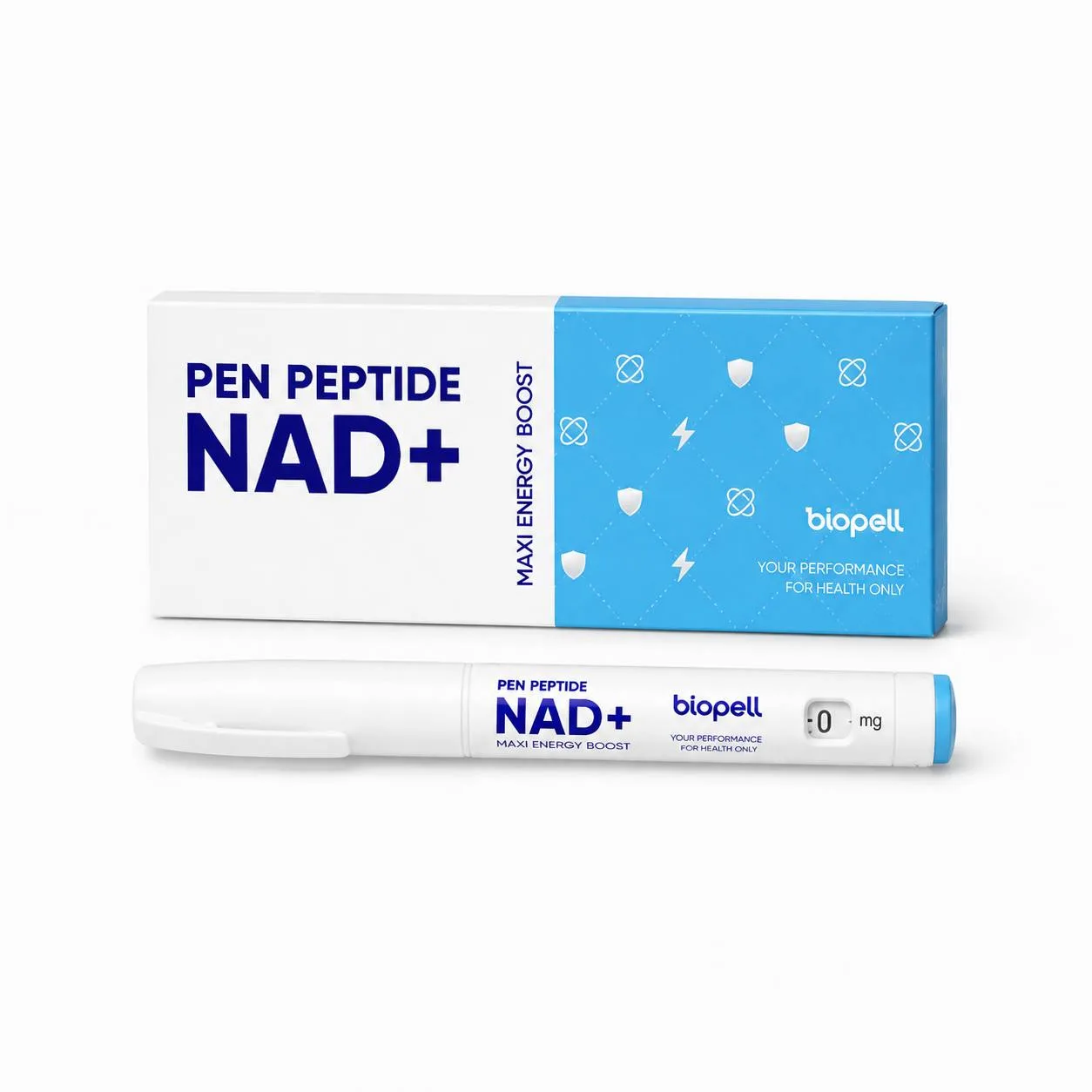
NAD+ BioPell Pen Peptide is a modern peptide product in pen format designed to support energy, cellular metabolism, and rejuvenation processes
12,615 UAH
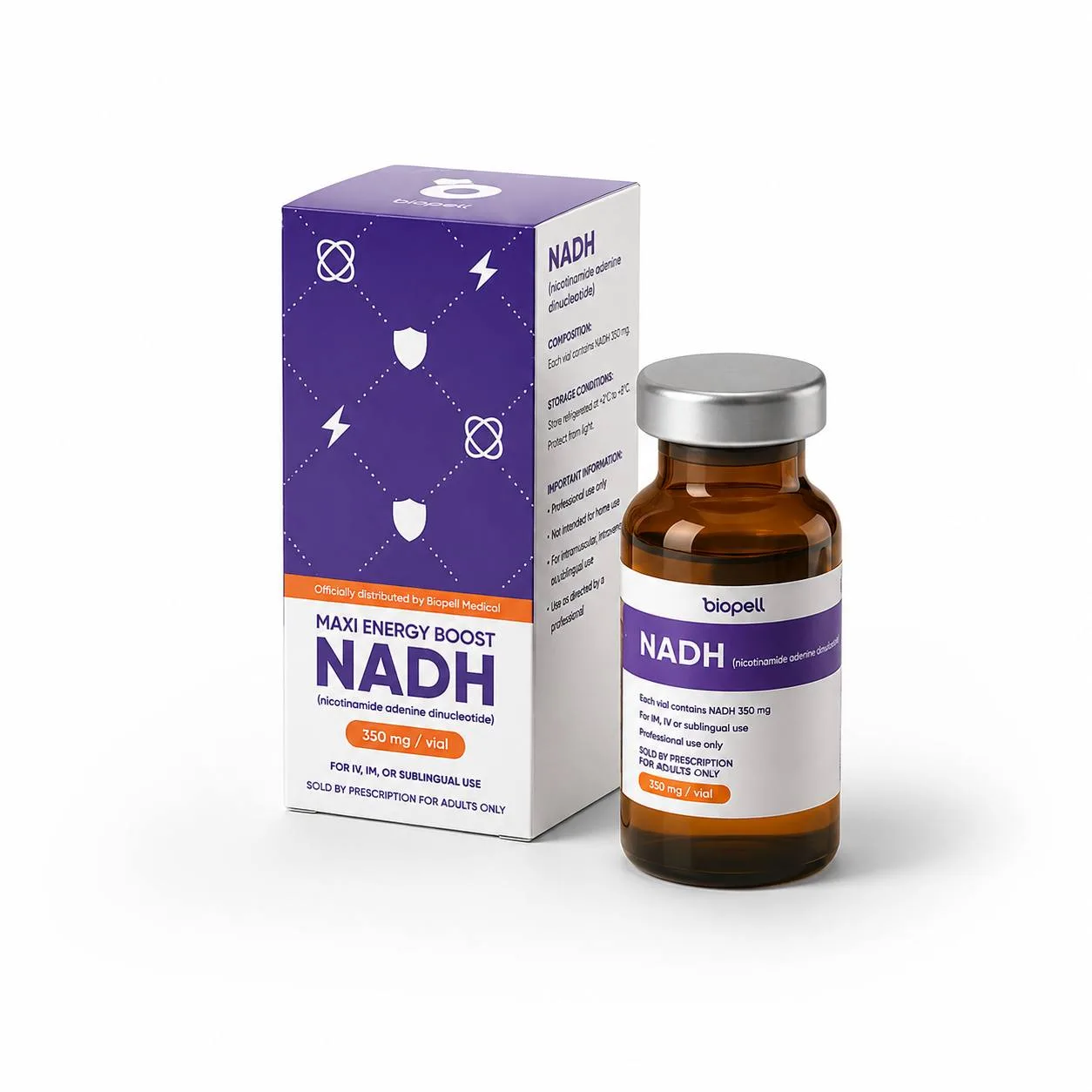
NADH is a coenzyme involved in the mitochondrial electron transport chain and improves energy metabolism
18,471 UAH
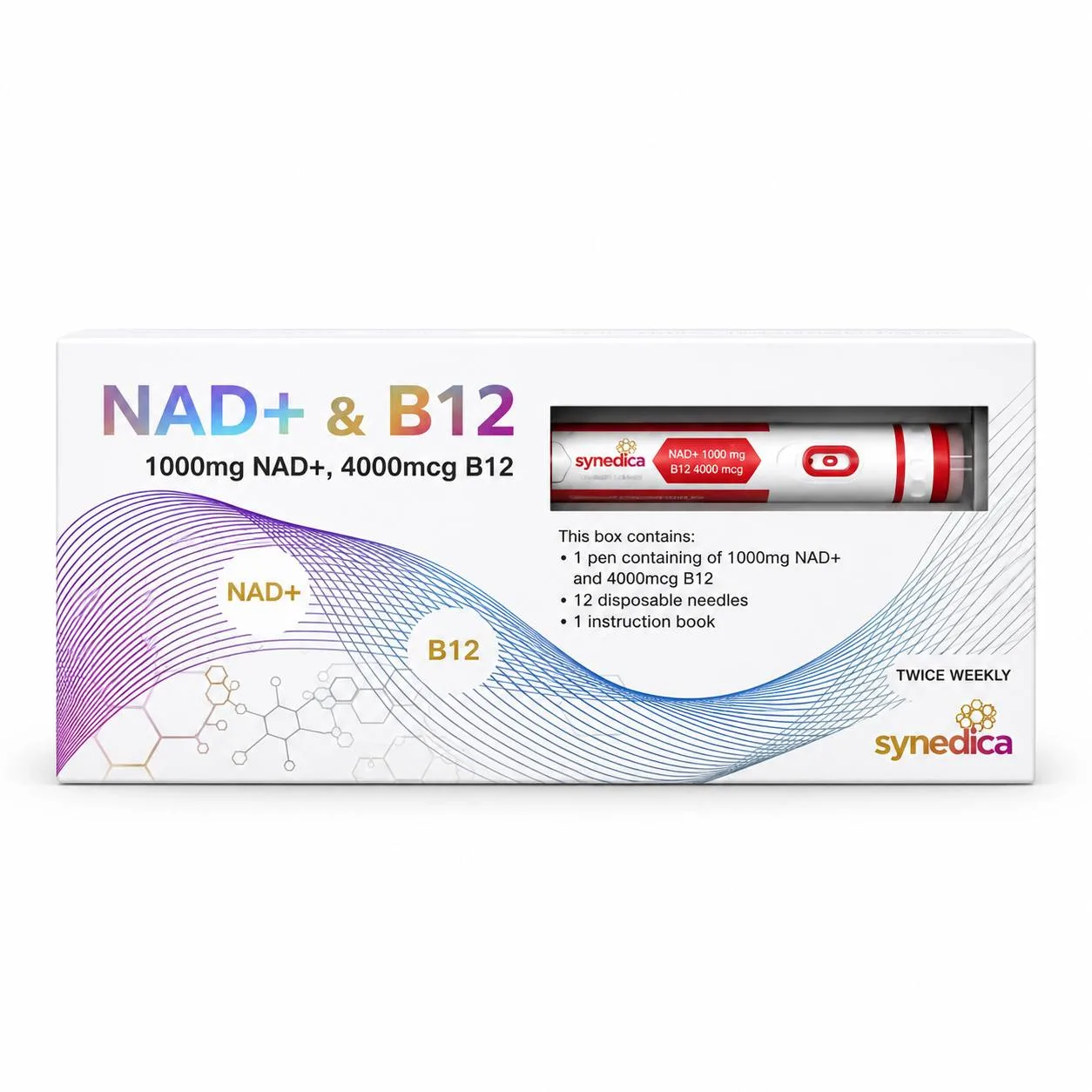
NAD+ B12 Synedica — NAD plus 1000 mg and vitamin B12 4000 mcg in a syringe pen. Cellular energy, metabolism, fatigue. Composition and price in Ukraine.
11,601 UAH
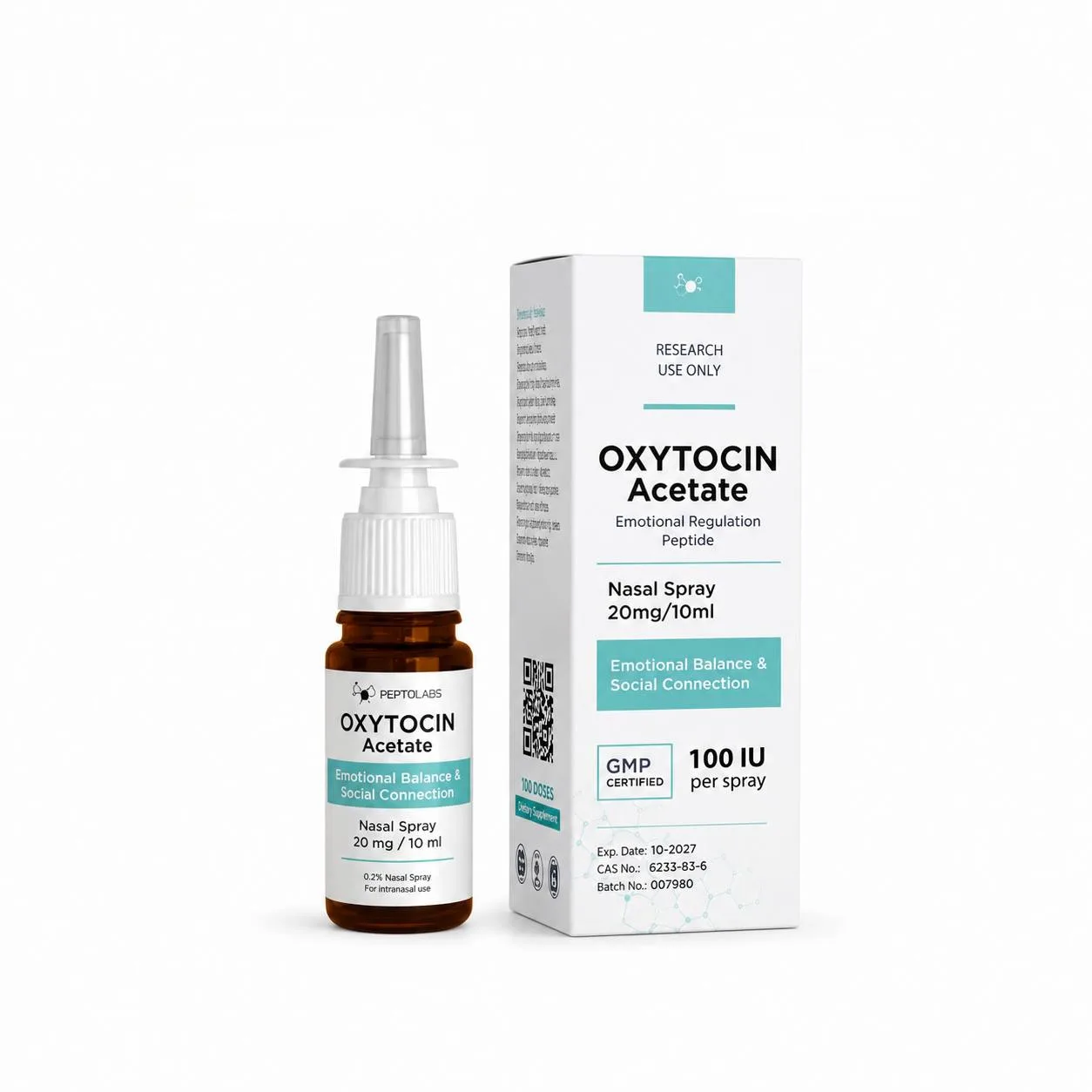
Oxytocin is a neuropeptide of hypothalamic origin, involved in the fine tuning of emotional and behavioural responses.
4,599.99 UAH
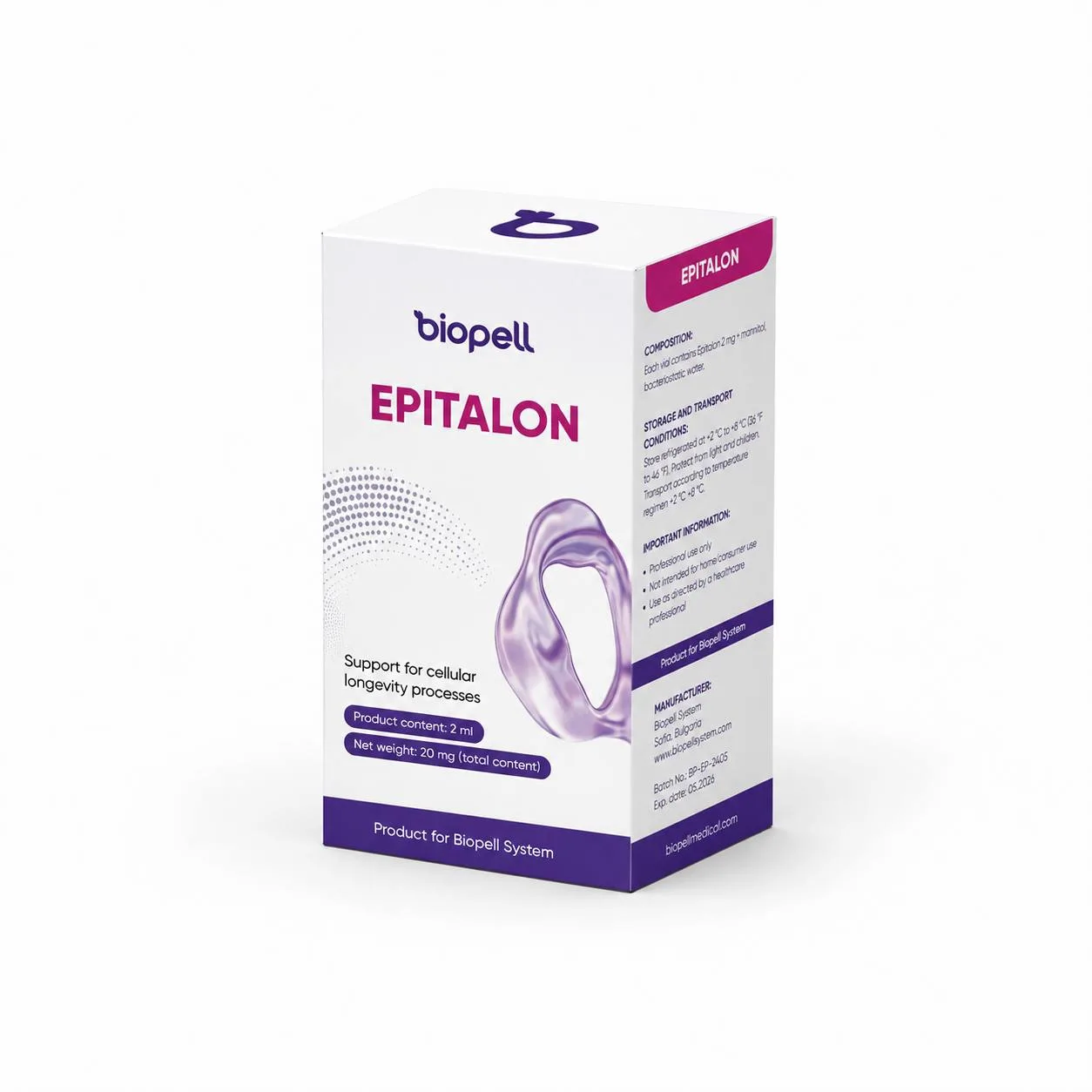
Epitalon Biopell 40 mg / 4 ml - a modern peptide complex developed to support natural cellular renewal processes
9,461 UAH
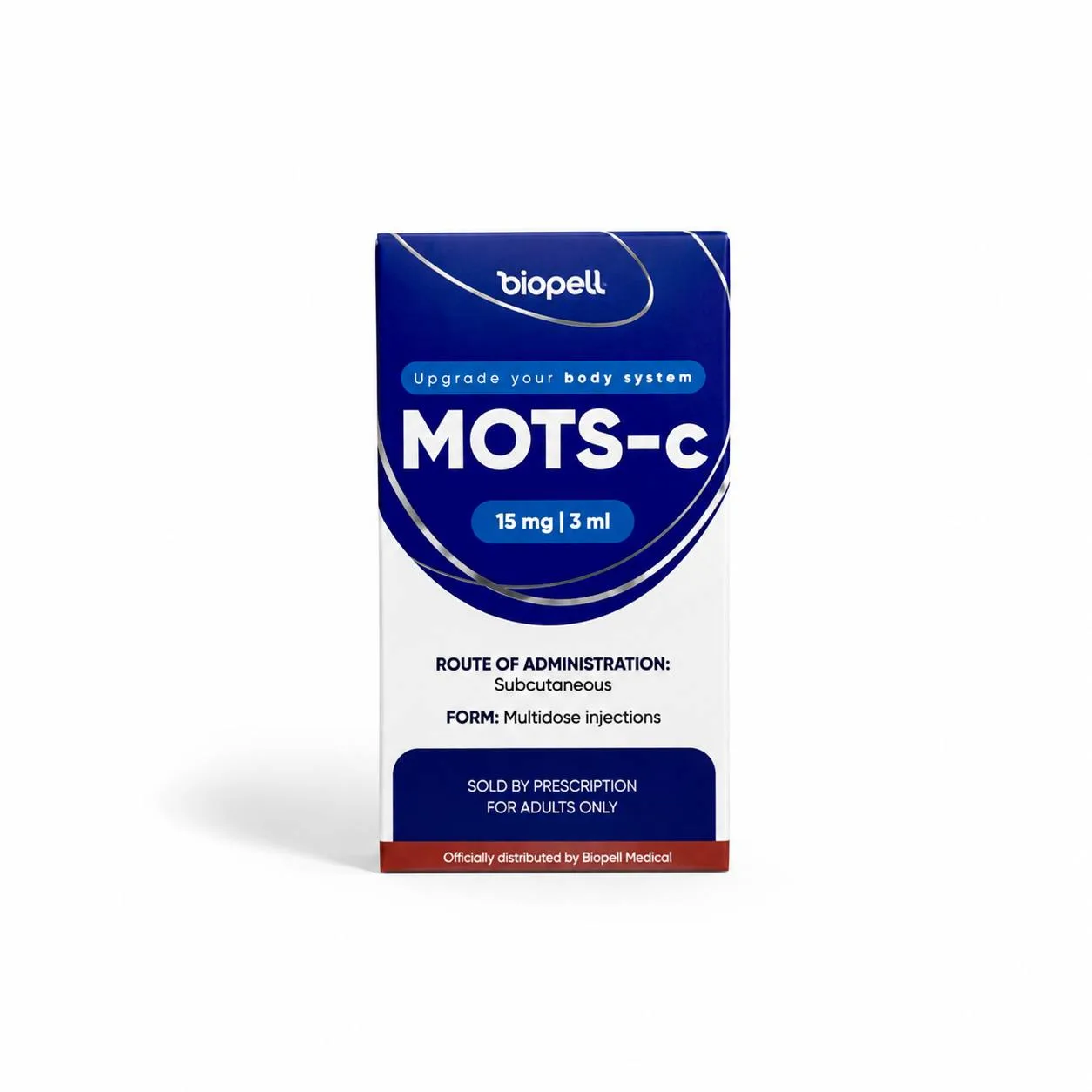
MOTS-c is a peptide that affects cellular processes associated with energy metabolism.
200 UAH
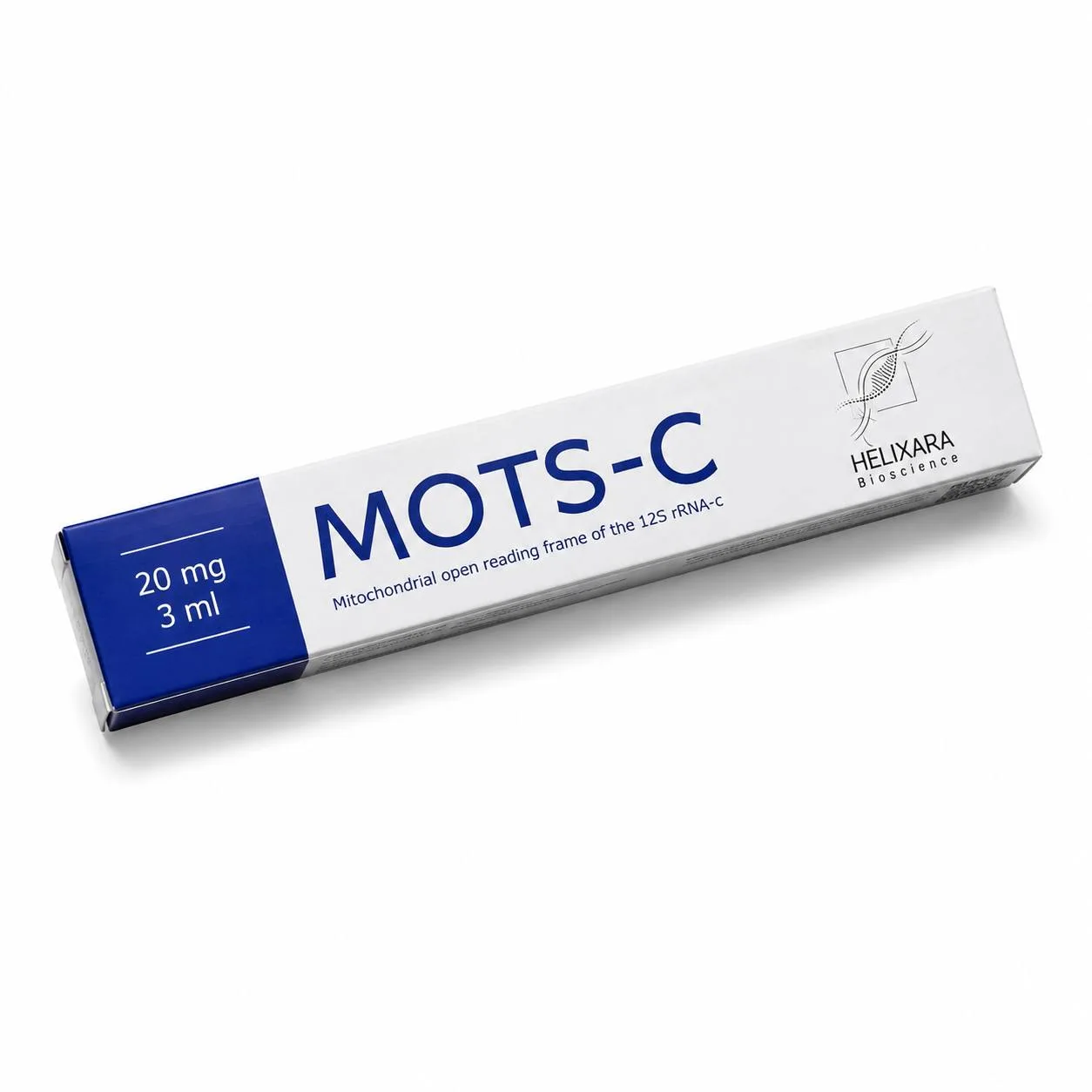
A mitochondrial peptide of 16 amino acids that supports cellular energy, metabolism, physical endurance and a healthy lifestyle.
8,827 UAH
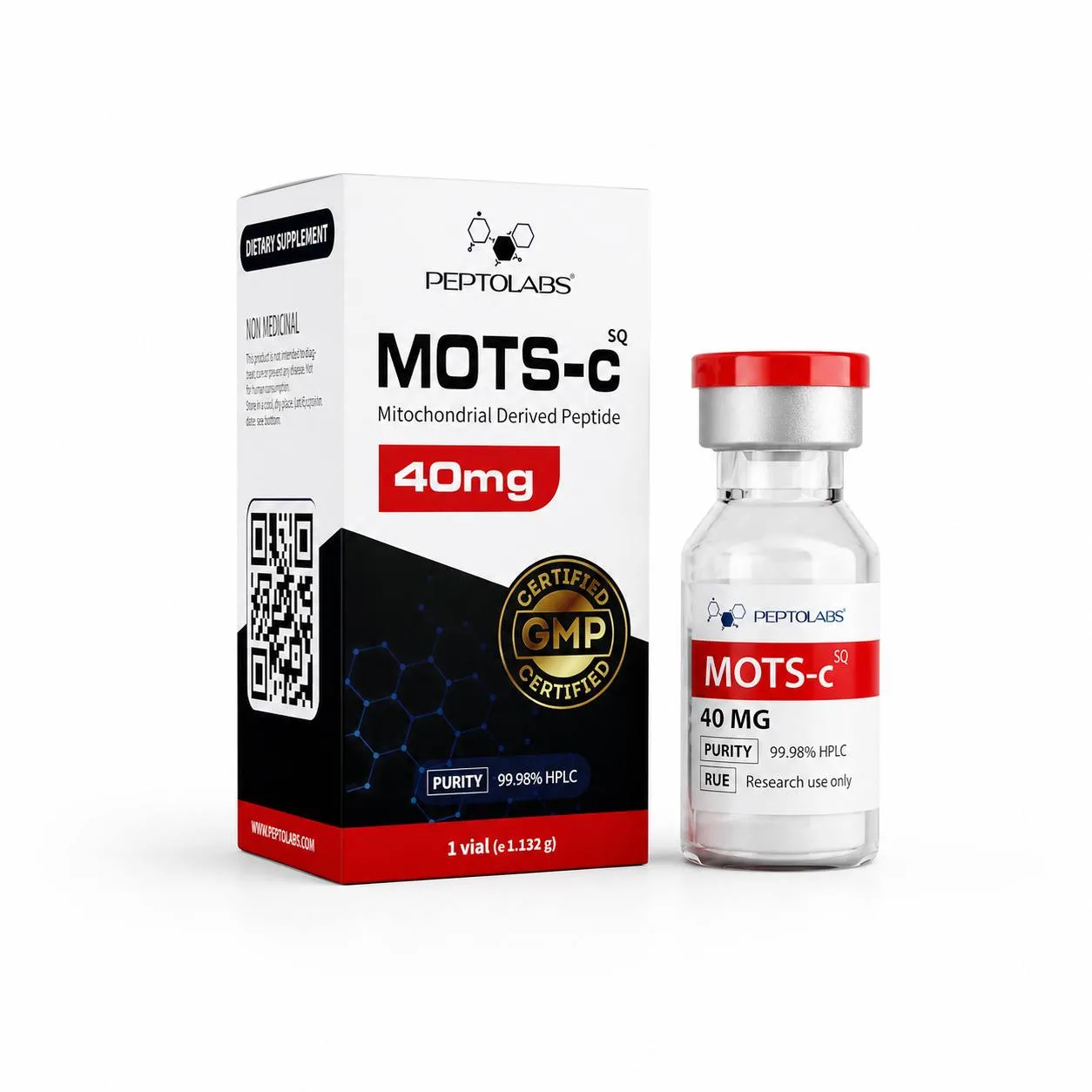
One of the known effects of the MOTS-c peptide is related to metabolism. MOTS-c is considered one of the key molecules responsible for regulating metabolism and supporting its improvement.
10,500 UAH
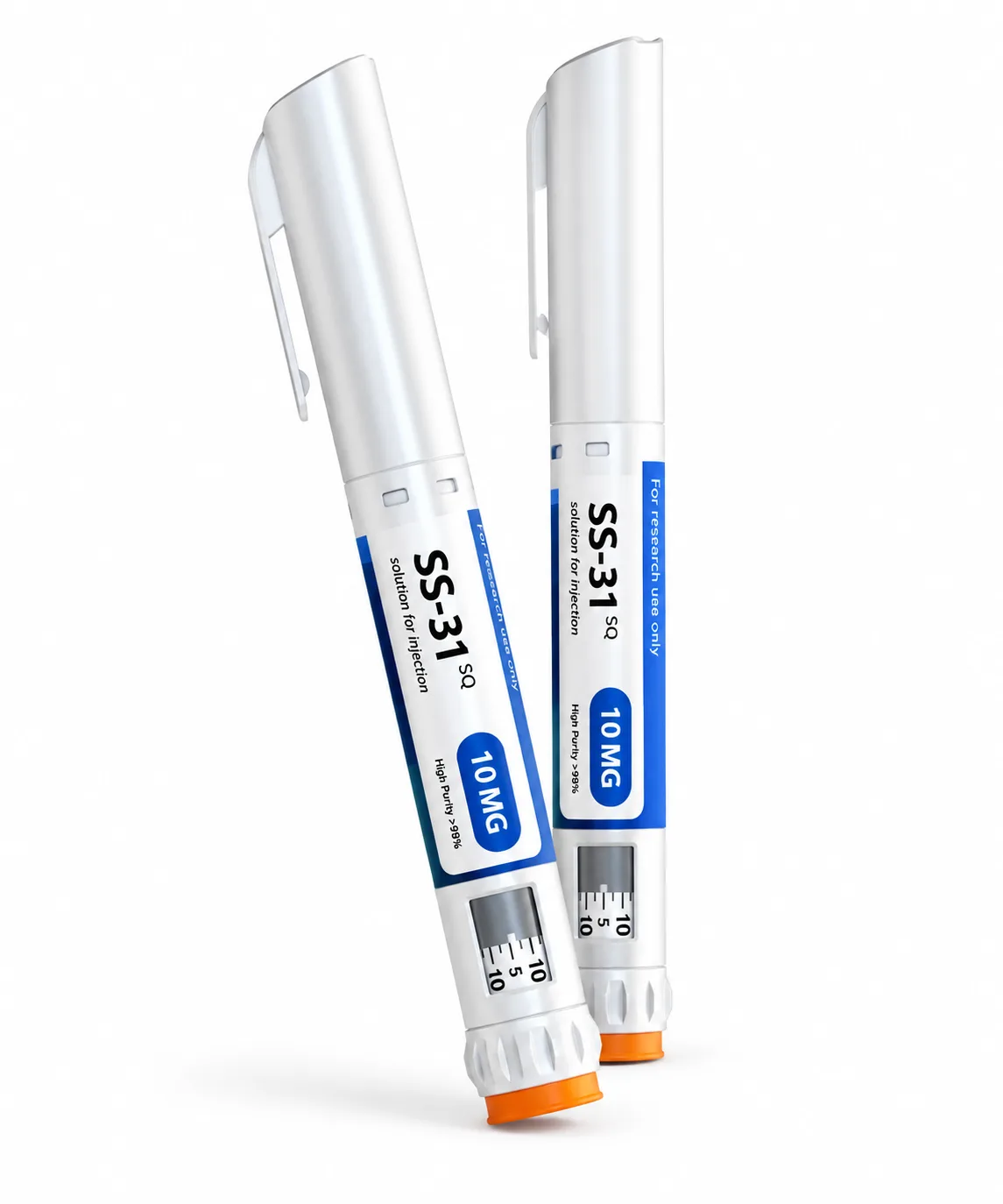
It enters cells and binds to cardiolipin on the inner mitochondrial membrane, helping to maintain the stability of its structure.
5,400 UAH
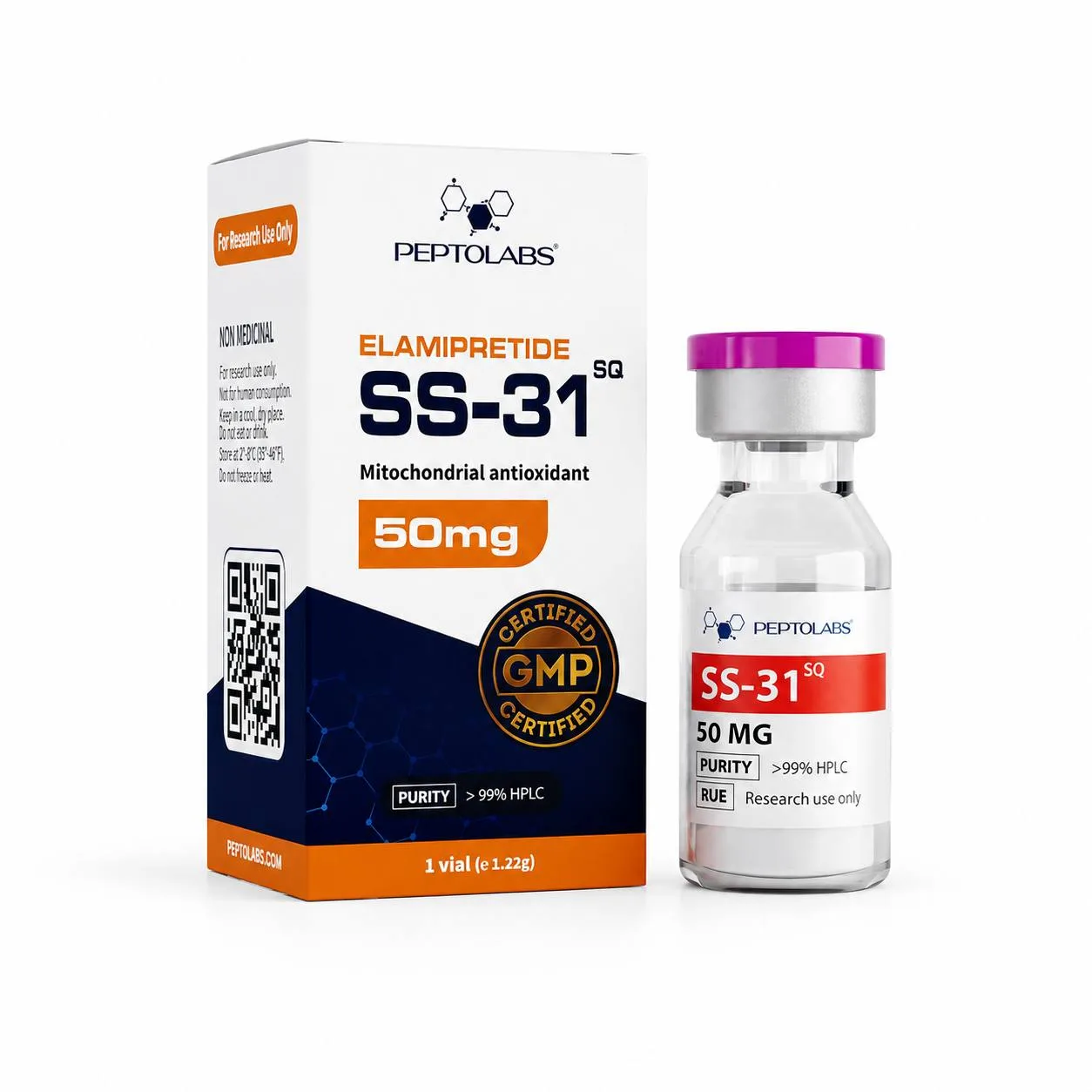
SS-31 is a tetrapeptide specifically designed to protect and restore mitochondria.
5,600 UAH
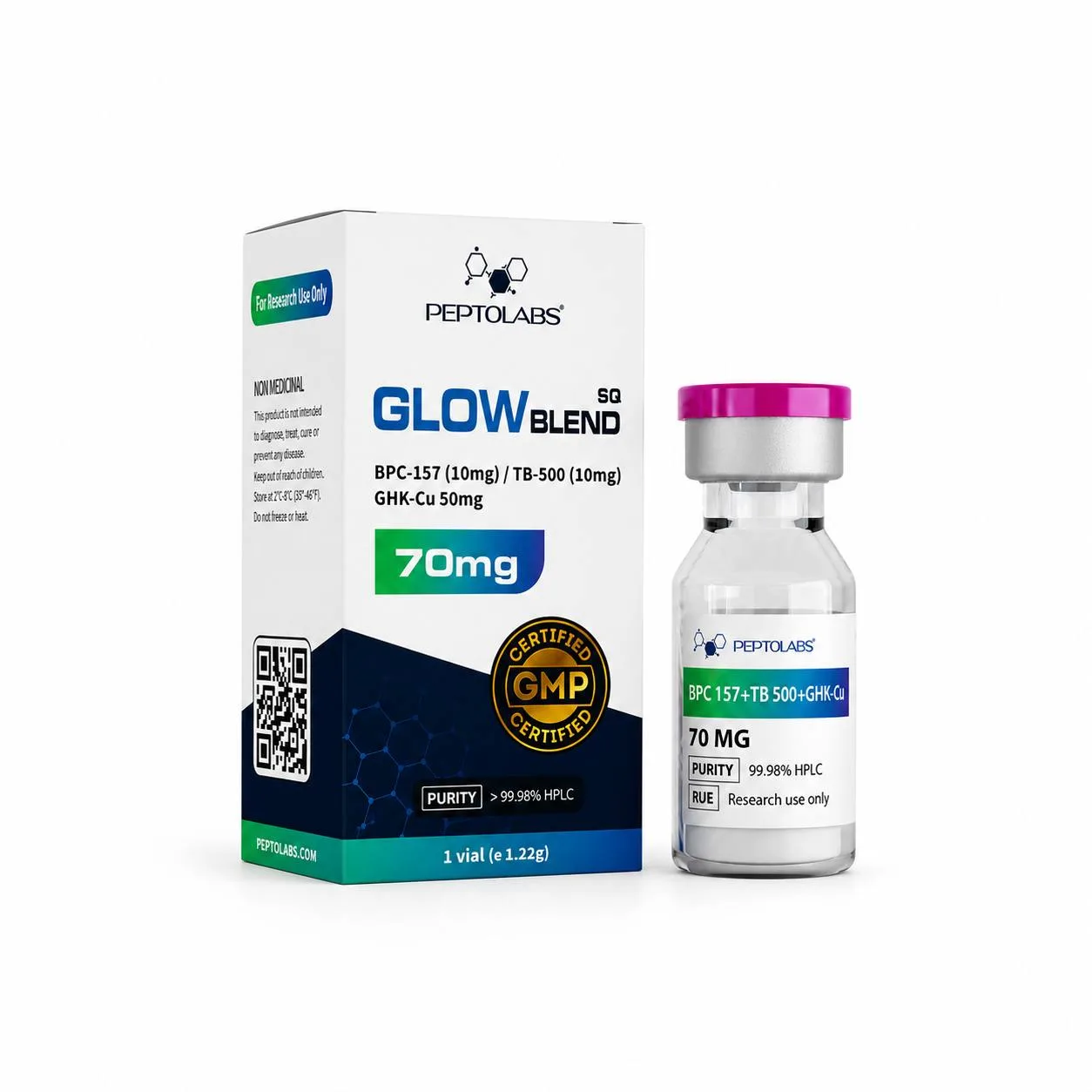
Glow Blend is an advanced peptide complex combining BPC-157, TB-500, and GHK-Cu to enhance tissue regeneration, collagen formation, and mitochondrial energy balance.
5,000 UAH
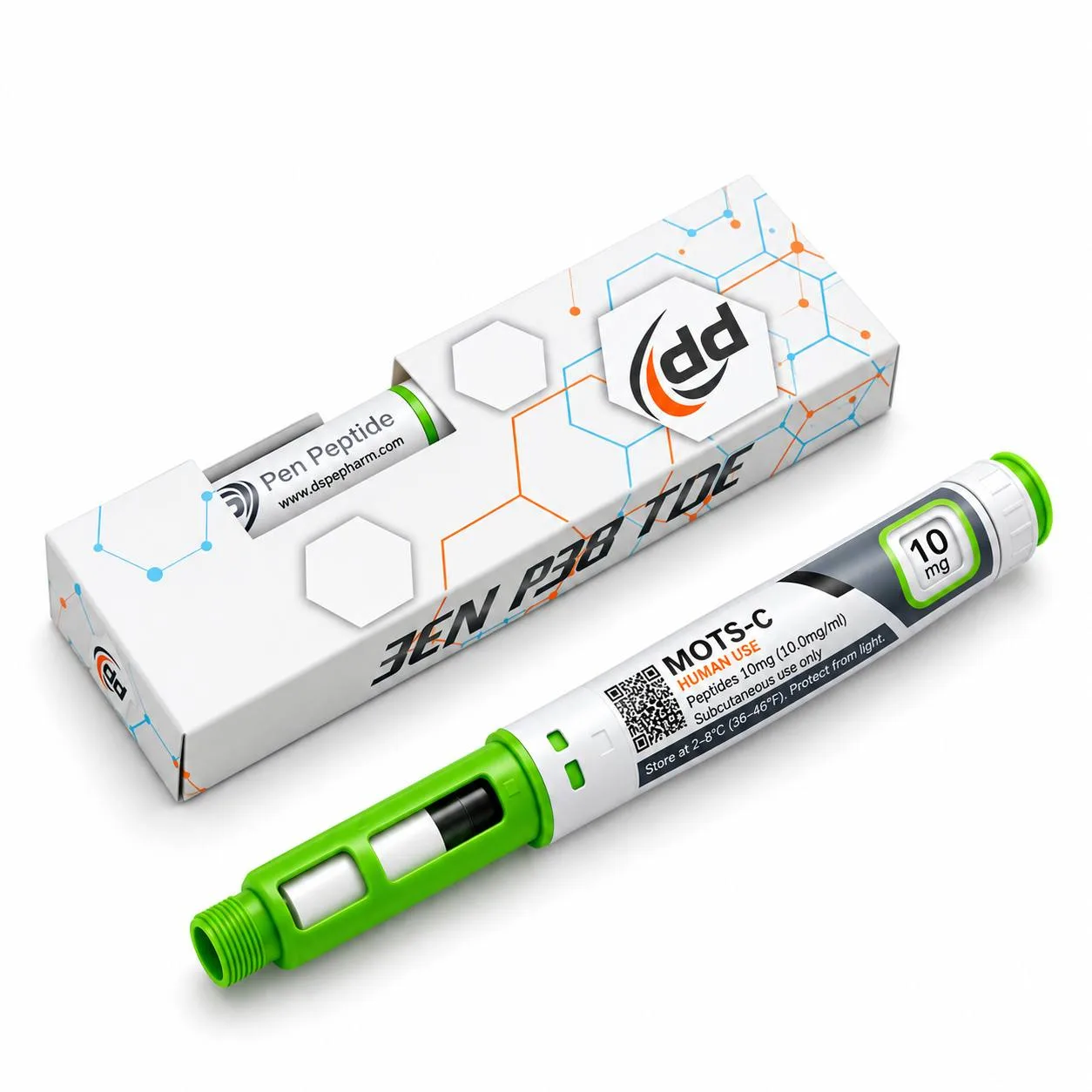
MOTS-c 10 мг DSP Peptide (МОТС-с) - мітохондріальний пептид у шприц-ручці. Дослідження метаболізму, клітинної енергії та інсулінорезистентності.
4,000 UAH